CamJam threw us a birthday party
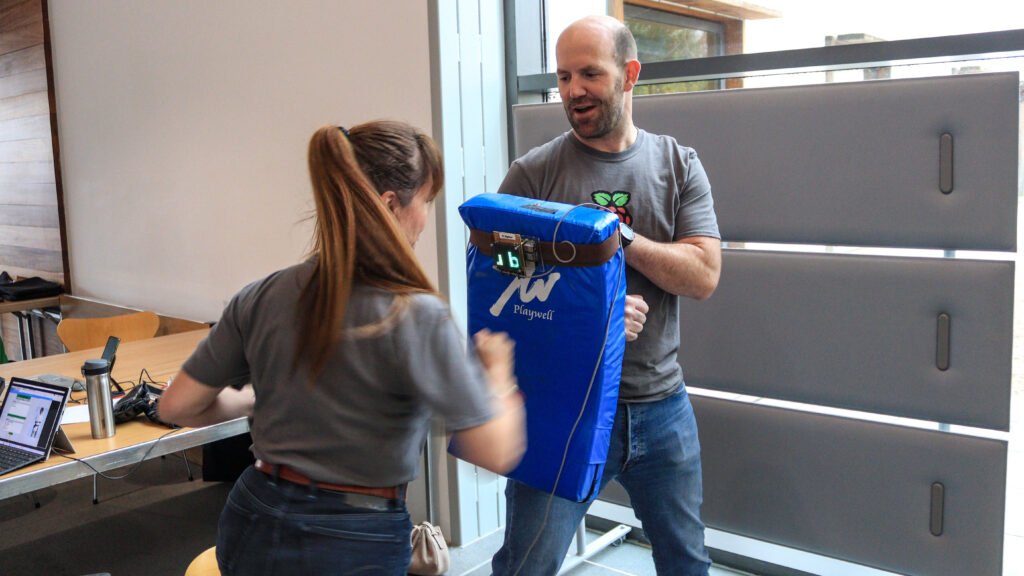
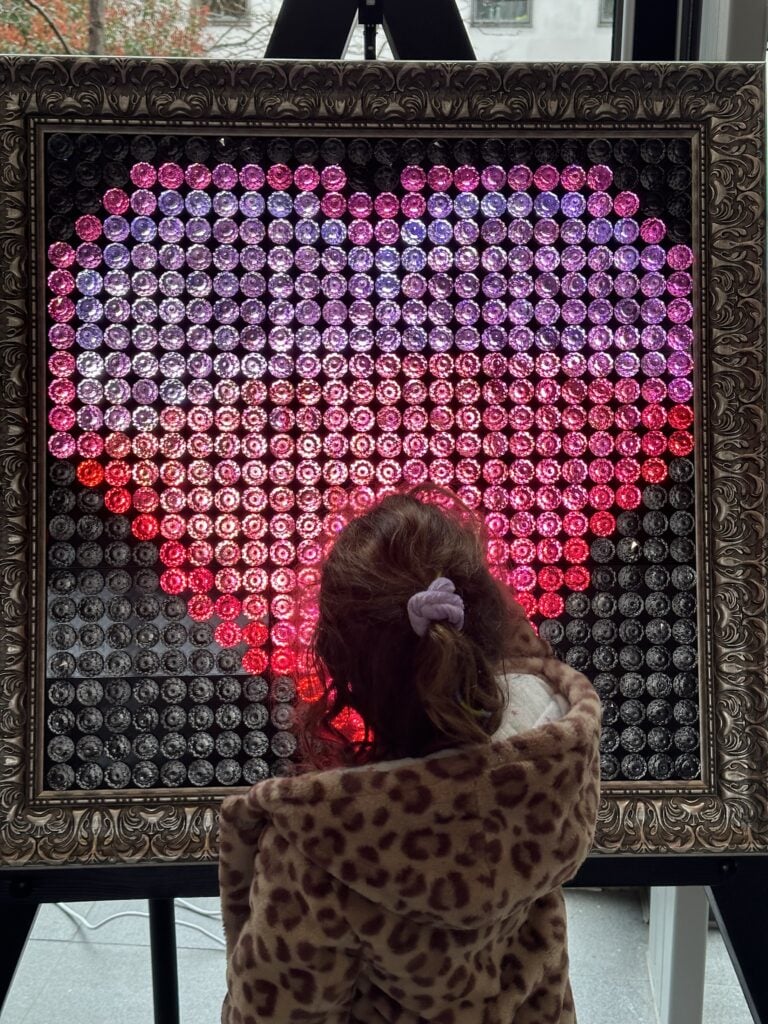
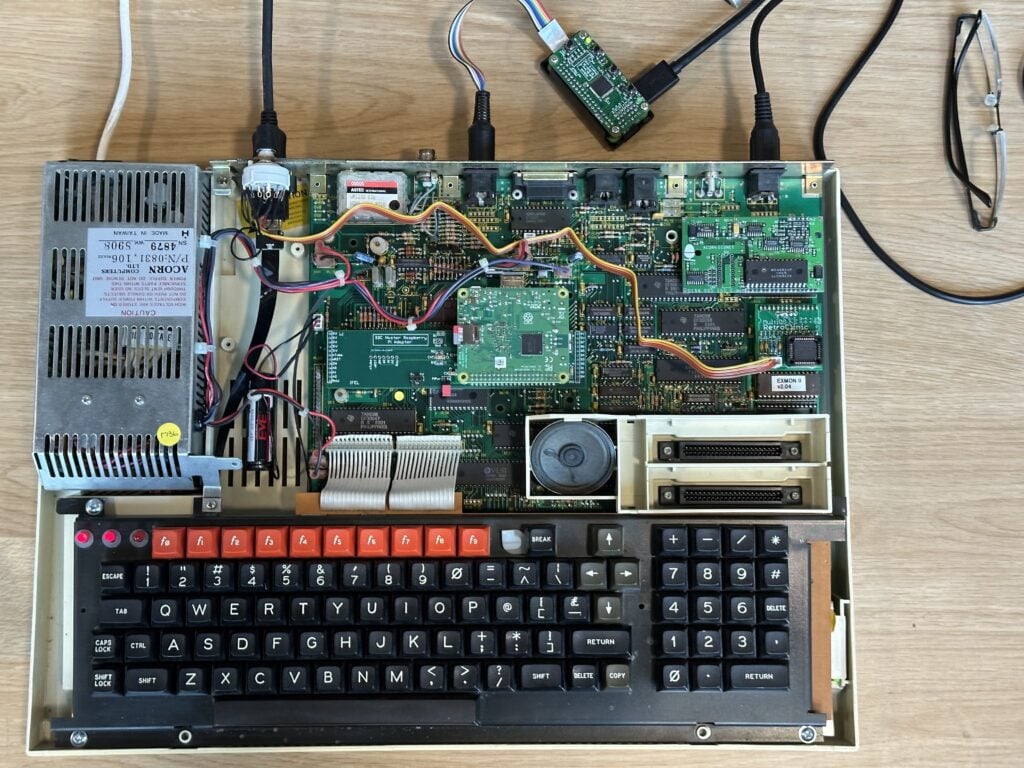
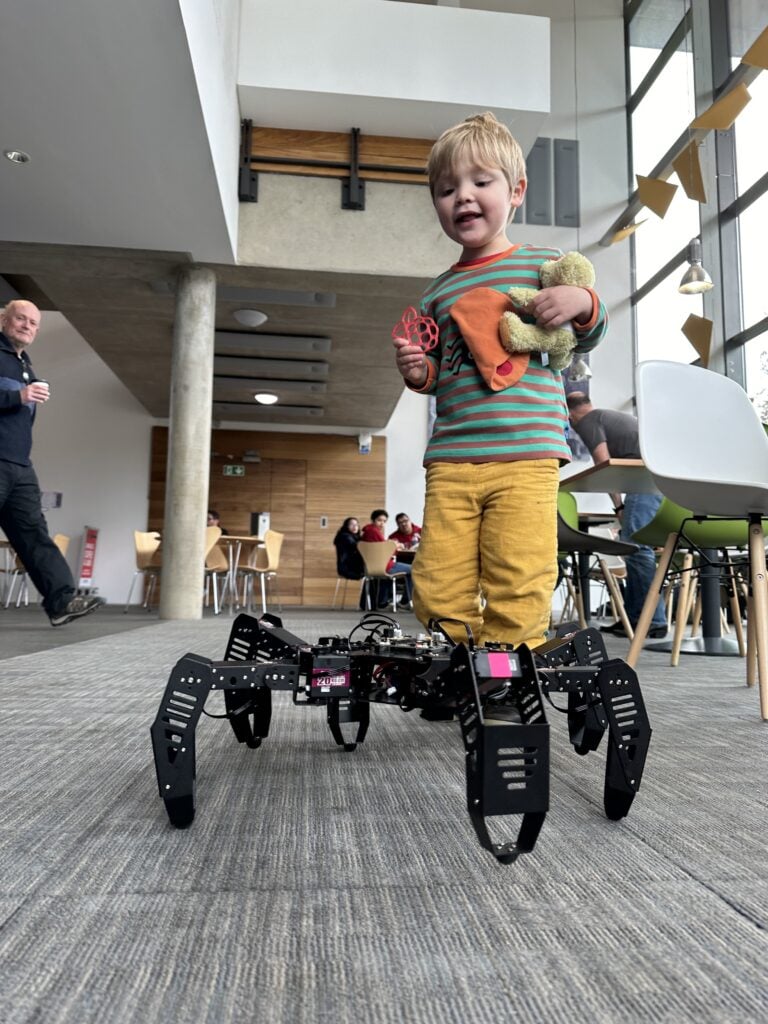
Thanks to everyone who came to our third-cum-twelfth birthday party last weekend, thrown for us by CamJam. Here are some photos of the day so you can immerse yourself in the experience if you weren’t there, and relive the unadulterated joy if you were.
Return to Cambridge University’s Computer Laboratory
CamJam threw the party for us in the main foyer of Cambridge University’s Computer Laboratory in the William Gates Building. It’s where Raspberry Pi’s CEO Eben Upton got his PhD, and where the foundations of Raspberry Pi were laid, as co-founder Pete Lomas described in his keynote.

Eben, Pete, and the other co-founders started Raspberry Pi because the room in the photo above in the William Gates Building was looking disappointingly empty around 2008. They wanted to offer low-cost hardware to get people into computing in the hope that some of them might end up studying Computer Science at the University of Cambridge. Last weekend, Eben returned with our CTOs, Gordon Hollingworth and James Adams, to speak at a packed Q&A during our birthday party.
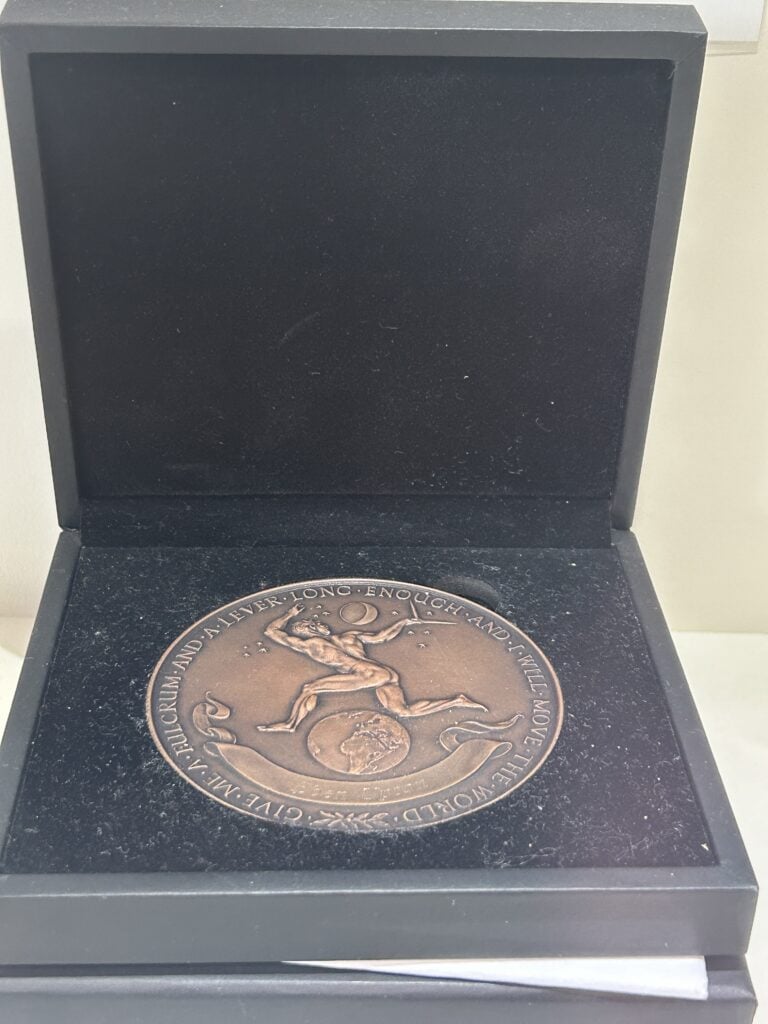
This medal is also on display at the party venue. It’s the Royal Academy of Engineering MacRobert Award, which was awarded to Raspberry Pi in 2017. It’s the UK’s top engineering prize and this is Eben’s personal medal, which is on loan to the Computer Lab and can be viewed in the glass cabinets on your right as you enter through the front doors of the building.
Huge thanks to CamJam for hosting this most excellent event full of old faces from the early days, plus a few new ones we’re so pleased joined us. It was amazing to go back to where we started to mark twelve whole years of Raspberry Pi.
6 comments
Wouter
I did spot 2 Pi’s, but a third would be possible.
*PiTubeDirect
*RGBtoHDMI
*Pi1MHz
A Stevens
I’d love to see a nice benchmark test of the BBC Master 128 vs an original Pi, and of course a Pi 5. That would be a fascinating exercise! I’m not sure how you would arrange this, but it’s fun to imagine the factor by which the tiny Pi boosts the performance of the BBC Master (which I had as my main computer from 1989-1992).
Anthony R. King
You can’t tell what it actually does for the BBC as there’s no explanation. In what way is it ‘reviving’ it I wonder.
jozve
A good birthday gift!
Raspberry Pi Staff Ashley Whittaker — post author
We LOVED it
Anthony R. King
Hey. If you were to go about making a fully-working up-scaled Pi like that, using the actual components within up-scaled enclosures, would it fail because of the excessive track lengths? Of course it would, but it would be very cool if it could be coerced to function.
You could then maybe have any parts like tracks, ethernet lines, USB lines, etc. illuminate on activity.
Comments are closed