In celebration of cyberdecks
A cyberdeck was the very first thing I blogged about on my first day at Pi Towers back in 2020, so it felt personally serendipitous when CNN reported last week on the rise of cyberdeck projects among the maker community. And it was extra excellent to see Raspberry Pi mentioned as the go-to computer for a lot of these builds.
In celebration of this latest flurry of internet attention (and in the hopes of inspiring you to build your own), here are some of the finest Raspberry Pi–powered cyberdecks we’ve posted about over the years.
Mega six-screen cyberdeck
Redditor Holistech (aka Sören Gebbert) really leaned into the lesser-known “more is more” idiom when building this big orange cyberdeck with three Raspberry Pis. Why use just one screen to manipulate enemy cyberware and take down your cyberpunk foes when you can have six?
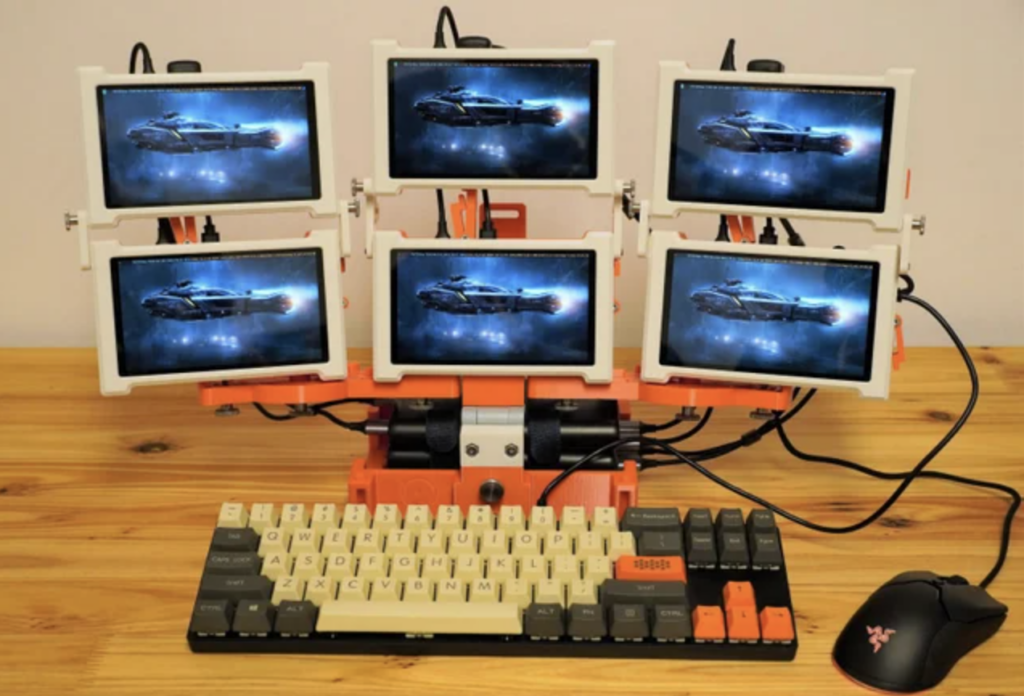
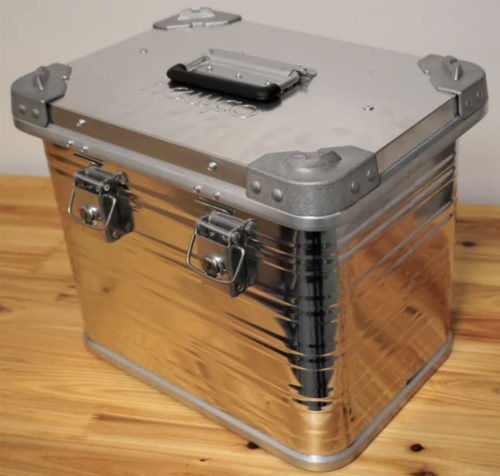
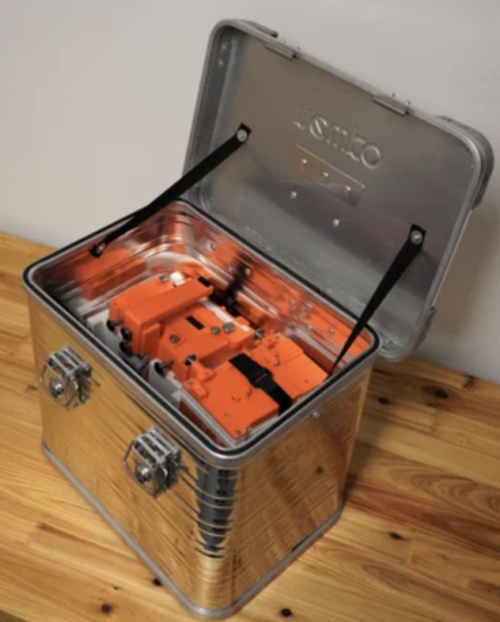
And it gets even better: this whole multi-screen thing is portable. Yes, portable. You can fold it up, pack it away in its suitably steampunk metal box, and carry it around with you.
Amstrad PPC 640 cyberdeck
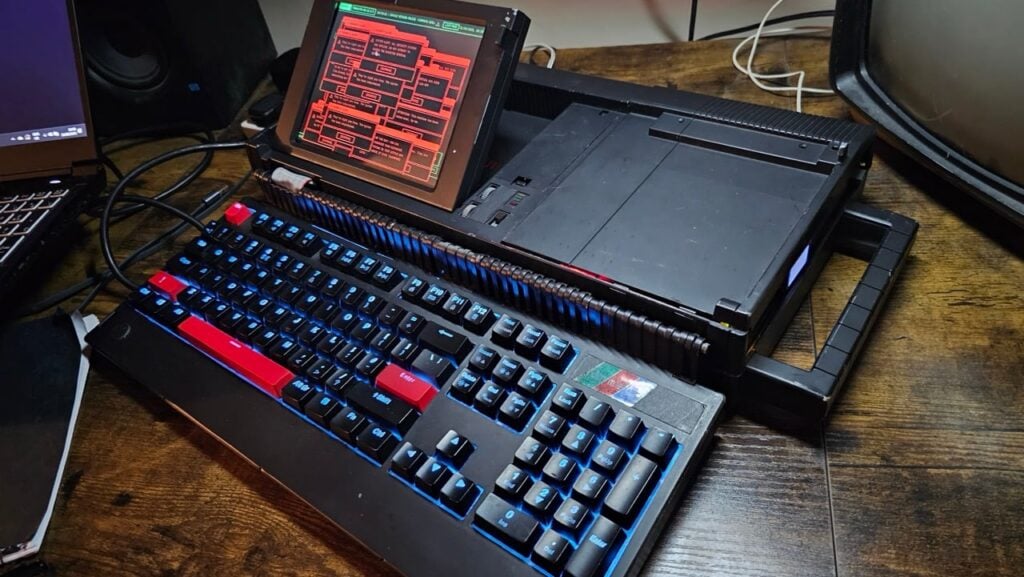
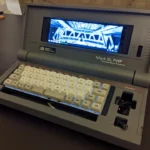
When faced with a broken Amstrad PPC 640, Mikey Damager had two choices: return the machine to its former glory or tear it apart and rebuild it using modern parts. He decided to do the latter, turning what was Amstrad’s first portable IBM PC-compatible computer, released in 1987, into a cool-looking cyberdeck powered by Raspberry Pi 4. The resulting machine was capable of running an interactive fiction project for Mikey’s master’s degree.
Super 8 cyberdeck
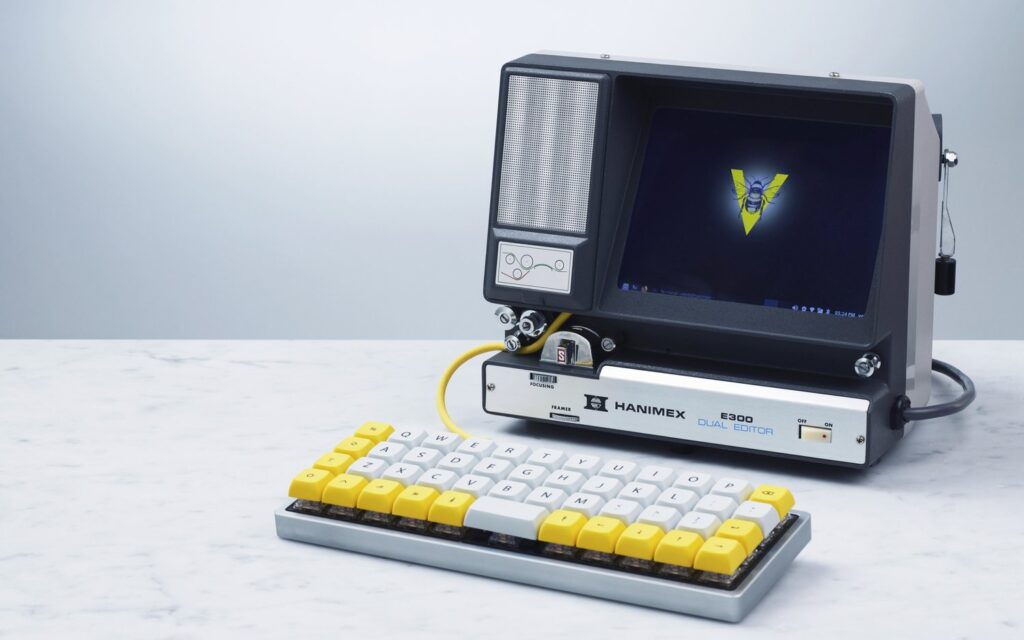
Cyberdecks tend to have a niche aesthetic, often inspired by post-apocalyptic films or TV shows. This one by VEEB Projects features an analogue Hanimex E300 film viewer from the 1970s, which the makers repurposed after developing serious terminal envy while watching Severance. It uses a Raspberry Pi 4 running Manjaro Linux and ytfzf as the command-line viewing tool.
Clamshell BlackBerry cyberdeck
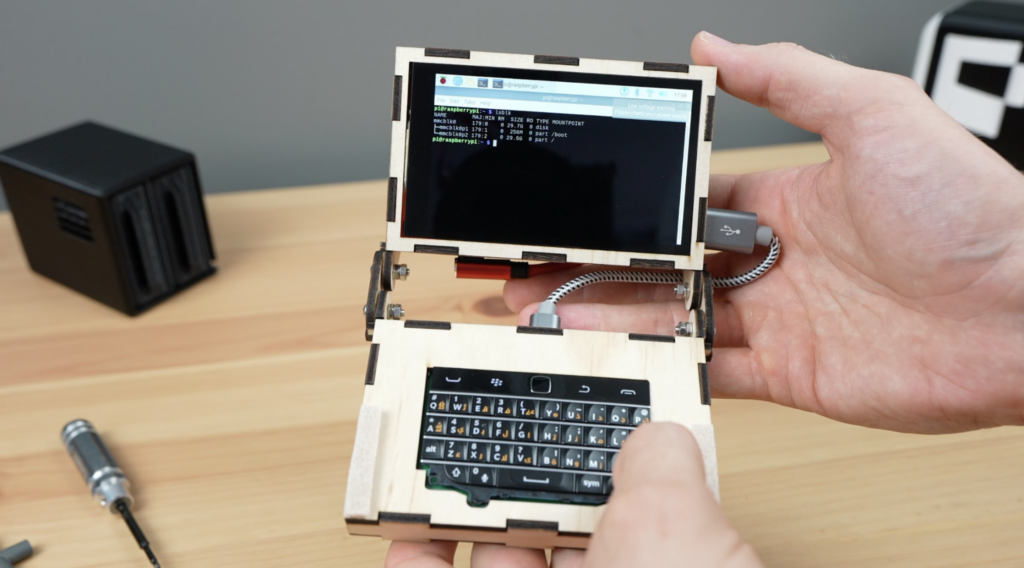
This teeny-tiny build harks back to the early 2000s, when PDAs were a must-have business accessory and smartphones had yet to launch. It pairs a clamshell BlackBerry with a Raspberry Pi 4 for maximum computing power, which was as powerful as we got back in 2023 when we first saw this project. The rustic wooden surround was designed and laser-cut by the maker, Michael Klements.
Pi-PipBoy cyberdeck
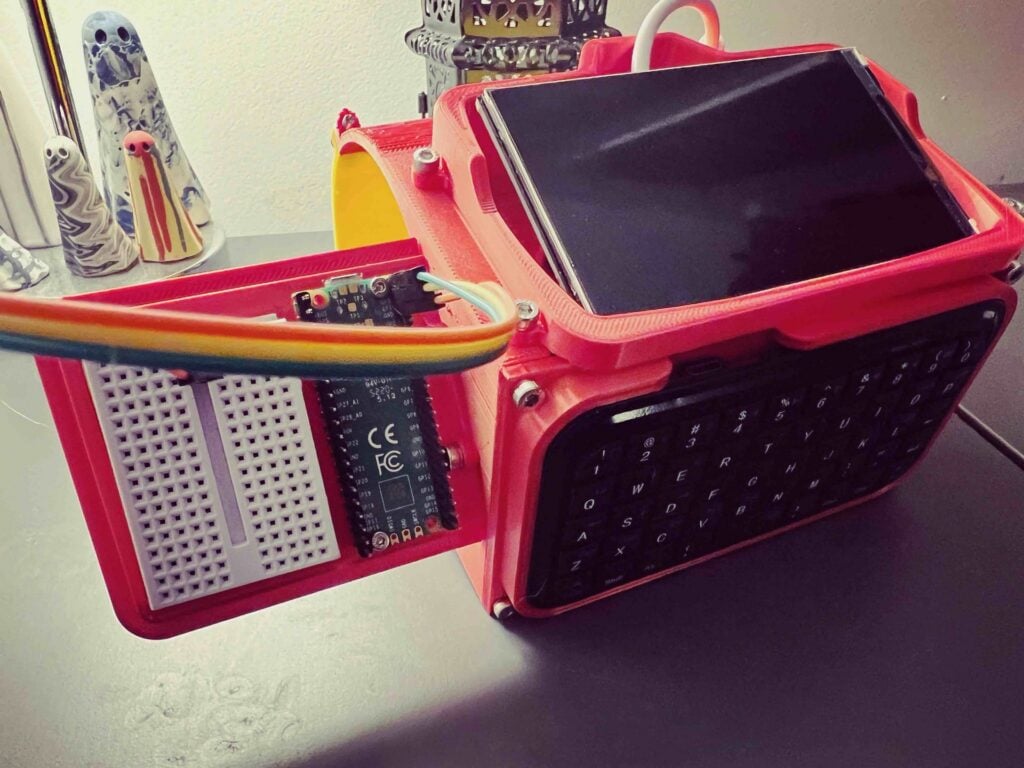
We saw a lot of Raspberry Pi–powered PipBoys pop up around the time Fallout was airing on TV, and this one by Kev’s Robots is especially easy to copy if you want to make your own. All the STL files are readily available, along with assembly images and a video tutorial. A PipBoy is a great build if you want to create something wearable, as it’s basically a big computer bracelet. Kev chose nice bright colours for the 3D-printed parts, making it one of the more whimsical builds in this list.
Next-gen cyberdecks
This new generation of cyberdeck creators seems to be competing over who can put a Raspberry Pi inside the weirdest casing. A few we like but haven’t featured on the blog yet include the P-Sea SeaShell by Evette’s Niche; this build from TikTok tinkerer Goblin, who found an old makeup caboodle and is in the process of turning it into a Raspberry Pi… something (and who also taught us that the word for a retro plastic makeup case is ‘caboodle’); and the bajillion videos from Instagram tech guru unicoleunicron, who explains the new wave of female makers creating cyberdecks and how to go about building your own.
If you’re not a TikToker or an Instagrammer, this Reddit thread is alive with recent builds and makers looking for tips on turning incredibly random objects into Raspberry Pi–powered creations.
What’s the collective noun for a load of cyberdecks? A cluster? A celebration? Anyway, drop a link in the comments to any makers I’ve missed from this list. Cyberdecks for everyone!



5 comments
Roberto.G
Cyberdecks are an amazing concept that is pushing accesible technology, the usage of e-waste, and making something for you, not something fabricated for thousands of persons, something with a soul put it in, with things that were made for you and by you, the usage of raspberry pi is perfect since the beliefs of this company is making technology accesible and made with a soul, Cyberdecks are also impulsing the reusage of e-waste by getting second hand components.
Tim Cliffe
The collective noun for Cyberdecks:
Multivert
RATIONAL
Multi: Many (of course)
Vert: Virtual (synonym for cyber)
Also, Multivert is pretty close to multiverse; many realities, e.g., expressions of what a ‘deck’ is.
Perhaps there is a user competition in this?
David G.
Pipboy Cyberdecks are amazing, but we really need are pony Pipcolts and to bring Little Pip to our reality so we can can turns petting her!
Now anyway, what a good cheap deck i could try with a Pi 400? I want to make one I could use for art and science?
Robert Sissco
Look up Void Star Labs video on it to start, they built a cyberdeck from a Pi 400
Lily
I too was quite shocked seeing all these people making Cyberdecks on TikTok, I’ve seen people turning those old portable DVD Players, which i always thought looked a bit like chunky old laptops into cyberdecks. I plan to try and make a cyberdeck mostly out of “junk” at home, with minimal new purchases, whilst it won’t be Pi based (as my only Pi is a dying 4B, and that thing gets too hot without a large fan), instead it will be using an old Android Phone (HTC Sensation XE), from 2011, which I loaded android 7 on, it gives me the advantage of not needing to do my own battery circuitry, and saves a device from the bin. With some careful designing and a lot of help from claude as i don’t really do electronics hardware beyond a basic display and buttons on an ESP32, I found a way to make the keyboard work as a normal USB keyboard, and allow USB a ports on the side of the case to work, AND to work while the phone is charging (as Micro USB does not allow charging when the device is in host mode), by having an ESP32 run an ADB Server and use ADBs input command to press keys. (this is all fairly theoretical, I’m still in the planning phase)
Comments are closed