Building the next generation of hardware founders
Our summer tour of various maker events took us to San Fransisco, where we were invited to visit a unique campus incubating what hope to be future-defining companies, many of which are using Rasberry Pi hardware to get their ideas off the ground. We asked Furqan Rydhan, Founder and CEO, and Mike Shin, COO, to explain what Founders, Inc. is doing in the hardware space and why Raspberry Pi fits so well.
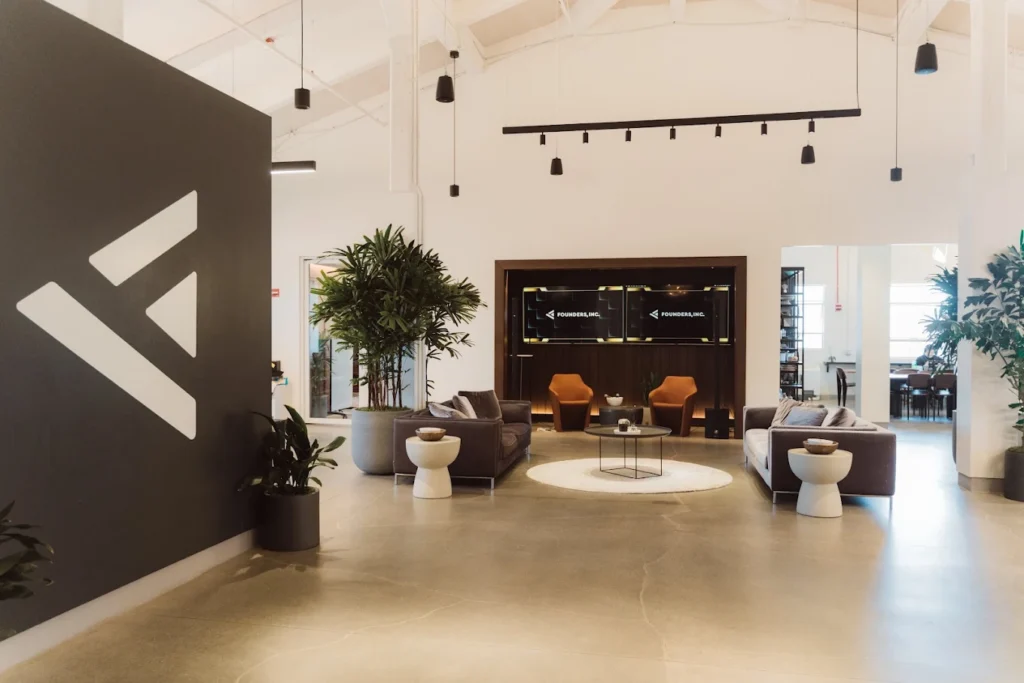
The next generation of iconic companies won’t be making software alone; they’ll combine AI, robotics, autonomous systems, advanced manufacturing, and frontier hardware. Founders, Inc.’s mission supports this: give wildly ambitious technical founders the space, community, and first cheque they need to build from day one.
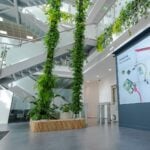
The 42,000 sq. ft. campus at Fort Mason, San Francisco is buzzing with founders working on everything from robotic manipulation and drones to AI infrastructure, developer tools, defence technology, and consumer hardware. Founders, Inc. doesn’t see themselves as a traditional accelerator; instead, they’ve built a place where founders learn from one another, share prototypes, break things, and iterate fast alongside some of the best technical builders in the world.
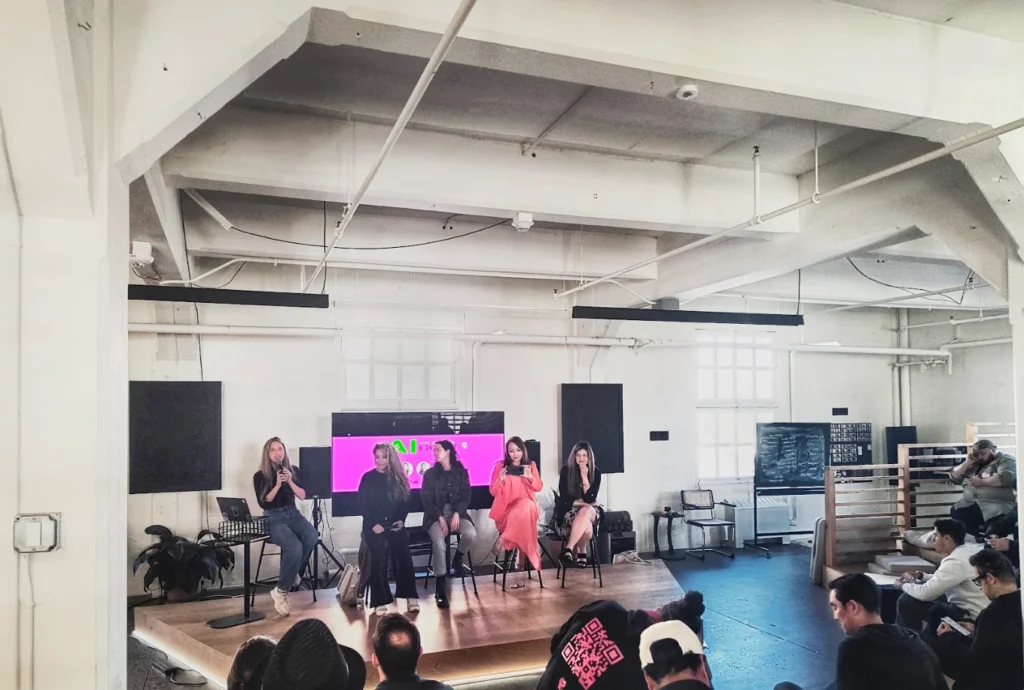
One of the reasons Raspberry Pi has become such a common sight around the Founders, Inc. campus is that it was found to lower the barrier between an idea and a working prototype. Whether someone is building a robot, an industrial sensor, or an edge AI device, or is validating an idea over a weekend, Raspberry Pi hardware makes it possible to get something into the real world quickly. For founders, speed matters more than perfection in the early stages of turning an idea into a real thing.
Tell us a little about Founders, Inc.
We’re often the first believers in the bold ideas founders bring to us. We write the first check, but the check is the smallest part. What matters is surrounding founders with the people, tools, and environment they need to build something that lasts.
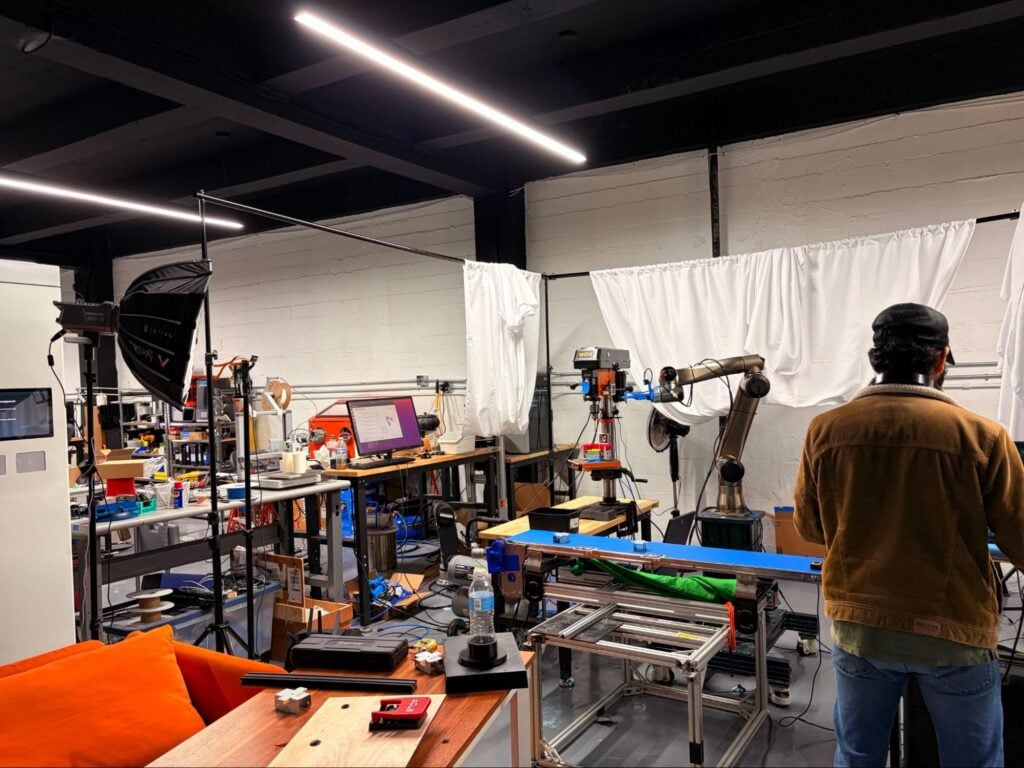
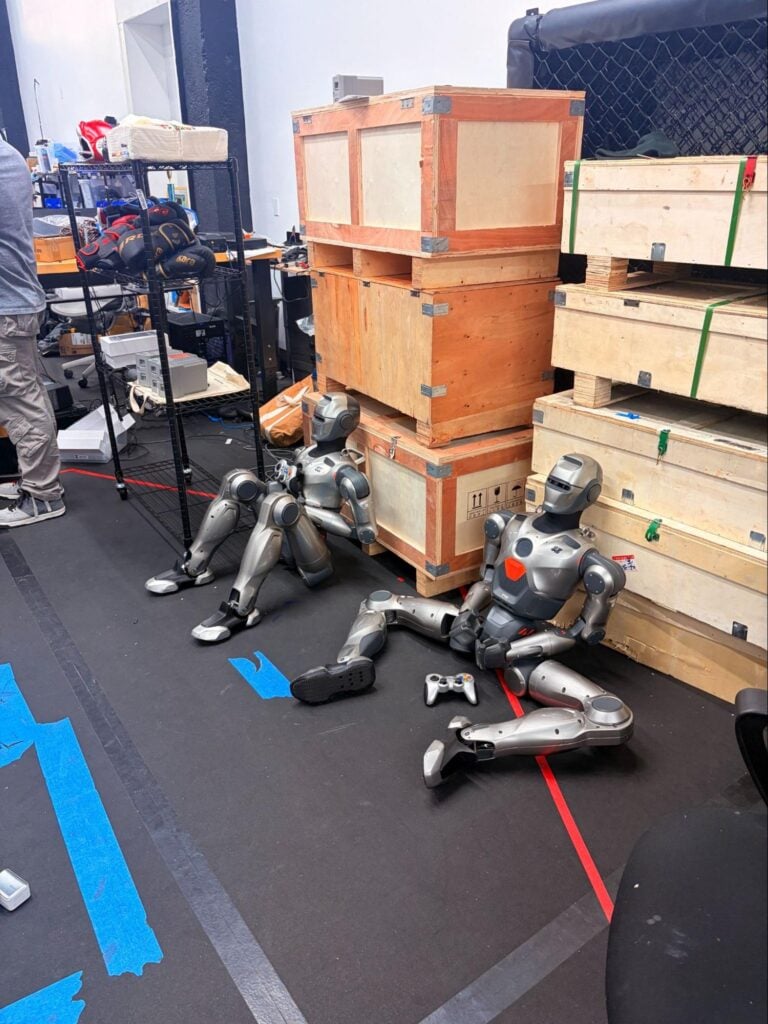
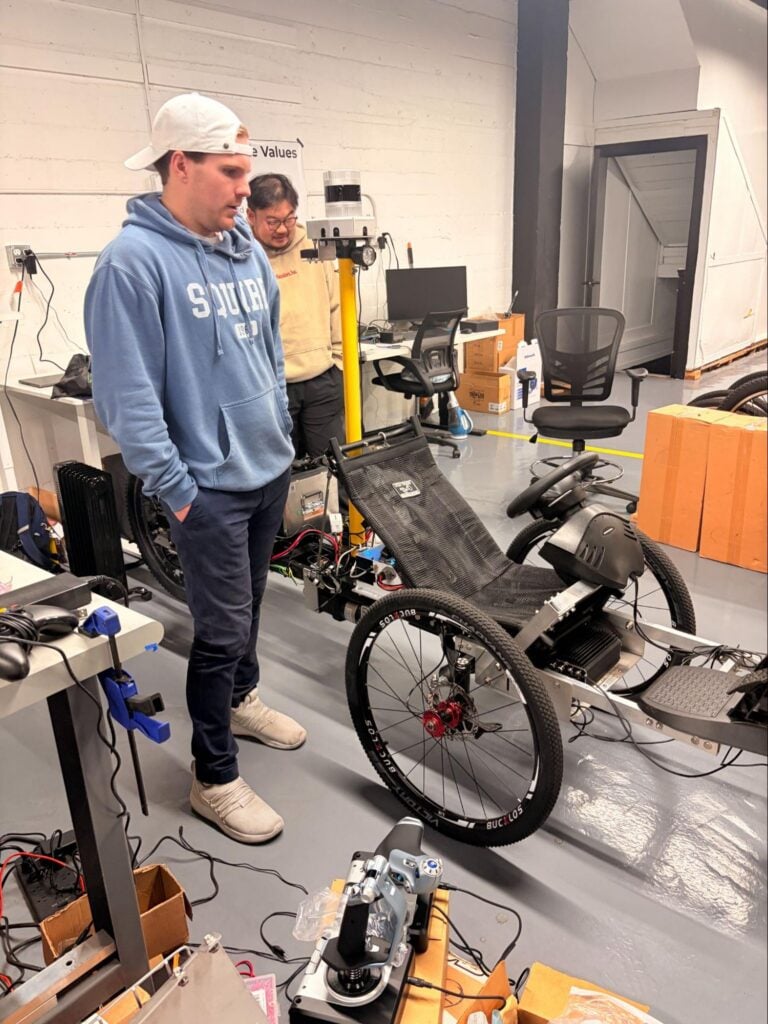
Every day, our campus is filled with engineers building robots, testing drones, training AI models, assembling hardware prototypes, and helping each other through hard technical problems.
“This is the space I dreamed of having when I was 18 — just tinkering, exploring, and building things with friends, fuelled by curiosity and passion. A place where we could experiment freely, supported by a community of people who deeply believed in us.”
– Furqan Rydhan, Founder and CEO of Founders, Inc.
Why is hardware becoming exciting again?
We’re at a rare moment where AI has dramatically expanded what physical systems can do. Robots are becoming genuinely useful because of foundation models. Drones are becoming more autonomous. Manufacturing is getting smarter. Edge AI is enabling products that simply weren’t possible a few years ago.
Hardware is still hard — but it’s never been more accessible. Better development boards, open source software, affordable sensors, and modern manufacturing mean a small team can hit meaningful milestones in weeks, not years.
“Now with a 3D printer and a Raspberry Pi, anyone can build a scalable AI hardware product.”
– Mike Shin, COO of Founders, Inc.
How does Raspberry Pi fit into that journey?
Raspberry Pi is one of those rare platforms that works just as well for a student building their first robot as for an experienced founder validating a commercial product.
Around our campus, we’ve seen Raspberry Pi at the heart of:
- Robotics control systems
- Computer vision prototypes
- Edge AI applications
- Drone control and telemetry
- Environmental sensing
- Industrial automation
- IoT infrastructure
- Smart manufacturing tools
Most importantly, it helps founders answer the question that matters most at the start:
Can this actually work?
Instead of spending months designing custom hardware, they can prove the concept in days.
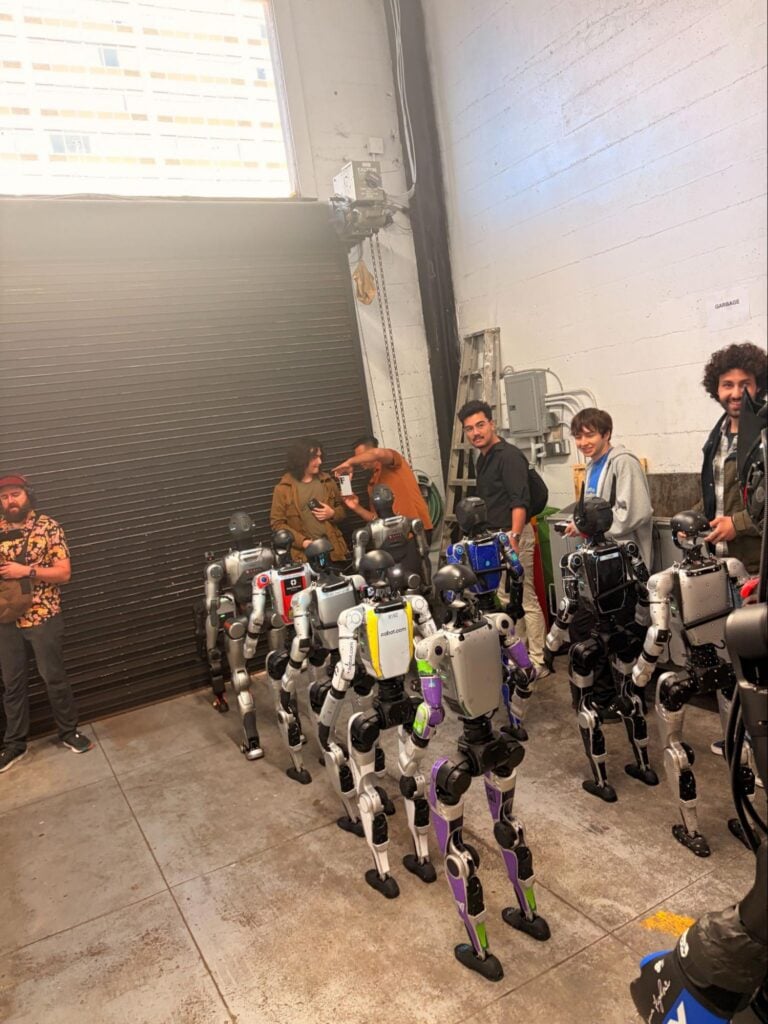
What are some of your favourite things founders have built?
The most exciting trend we’ve seen is founders using Raspberry Pi as the foundation for increasingly sophisticated robotics.
We’ve watched teams build autonomous robots that navigate complex environments, edge AI systems that run computer vision locally without touching the cloud, intelligent manufacturing equipment that monitors factory operations in real time, and drone platforms for inspection, mapping, and logistics.
Beyond robotics, founders here have built smart agriculture systems, environmental monitoring platforms, connected medical devices, and educational tools that make advanced engineering more accessible.
What excites us isn’t any single project. It’s watching a rough weekend prototype become a venture-backed company solving a real problem.
“Many of the companies we back started exactly this way: build something quickly, put it in front of users, learn, iterate, and keep improving.”
– Furqan Rydhan, Founder and CEO of Founders, Inc.
Why do you think community matters for hardware founders?
Building hardware can be lonely. Unlike software founders, hardware founders have to think about manufacturing, supply chains, mechanical engineering, firmware, electrical systems, compliance, testing, and AI — often all at once.
Having dozens of other founders working through the same problems changes everything. Someone has already solved the issue you’re stuck on. Someone knows the supplier you’re hunting for. Someone has already broken the component you’re about to order. That shared knowledge compounds fast.
What advice would you give founders interested in hardware startups?
Start building. Don’t wait for the perfect design. Use off-the-shelf components. Use Raspberry Pi. Use open source software. Buy sensors. Print parts. Build something people can actually touch.
The founders who win are rarely the ones with the perfect idea — they’re the ones who build, test, and improve faster than everyone else. Hardware has never been more accessible, and AI is opening up entire categories of products waiting to be built. There has never been a better time to become a hardware founder.
Looking ahead
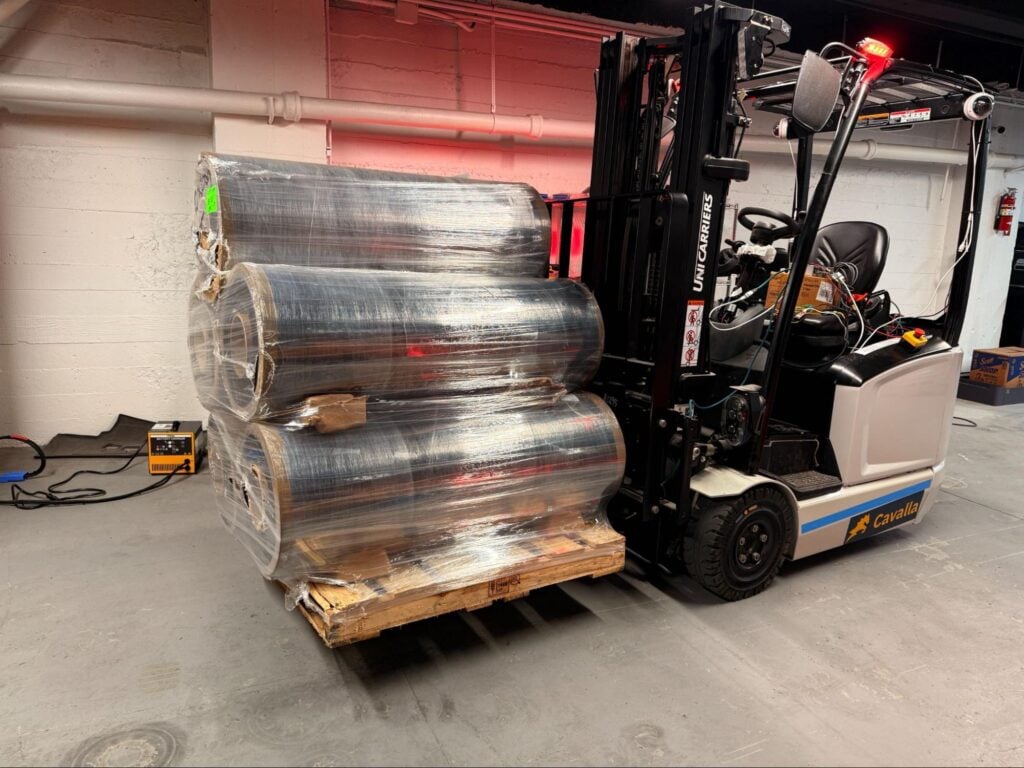
We’re incredibly optimistic about the future of physical AI. Over the next decade, intelligent robots, autonomous vehicles, drones, factories, and edge computing will become everyday infrastructure. The companies building that future won’t come from isolated garages — they’ll come from communities where ambitious founders can collaborate, prototype quickly, and learn from one another.
“We’re excited to see Raspberry Pi continue lowering the barrier to entry for hardware innovation and helping the next generation of founders turn ambitious ideas into real companies. If you’re a hardware founder, come build with us.”
– Mike Shin, COO of Founders, Inc.
No comments
Jump to the comment form