Vivariums, drone shows, and TV kits, all powered by Raspberry Pi
From aerial displays to prototyping tools, Raspberry Pi–accredited hardware enables it all. Here are some highlights from the latest batch of third-party products to join the Powered by Raspberry Pi roster.
As summer continues here in Europe, our weekend skies are filled with birds, kites, and buzzing craft directed aloft by eager pilots. Where once drones were heavy, clunky, and chewed through batteries in minutes, modern UAVs (unmanned aerial vehicles) are elegant, agile, and capable of remaining airborne for extended periods. Now there are drones for everything from underwater research to aerial filming, as well as modern takes on the classic remote-control plane. Paired with a lightweight camera module, they can capture stunning photos and video footage. HighGreat, who we feature in this list of Powered by Raspberry Pi products, uses them in coordinated light shows — notably at the Beijing Winter Olympics in 2022. With a global audience admiring its engineering prowess, it’s no wonder the company also runs a successful education and engineering programme, alongside offering unmanned aerial craft that customers can build themselves.
Getting started in electronics is the very essence of specialist stores like Pimoroni, which continues to delight us with HATs, accessories, and bespoke boards at pocket-money prices. Once you’ve mastered the essentials of Raspberry Pi and Python/MicroPython, it’s immediately rewarding to experiment with sensors, connectors, lights, and LCDs to see what your newly acquired coding skills can achieve. Pimoroni’s Explorer board, based around the RP2350 chip, offers exactly this, functioning as an all-in-one electronics kit.
While sky-spanning spectacles featuring hundreds of drones demonstrate the power of Raspberry Pi as a central controller, our microcontrollers also excel in even the tiniest of applications. Read on to find out about DigiCue and its role in helping amateur and professional snooker and billiards players achieve pinpoint accuracy. It’s every bit as wonderfully nerdy as it sounds.
Freya Vivariums
Belgium

We’ve featured a fair few pets and reptiles over the years, including a specially constructed hibernation chamber for a much-loved tortoise, but this reptile-focused setup improves on the very idea of creating the ideal conditions for reptiles to coexist with humans. Freya Vivariums offers a whole slew of open source equipment that can be purchased or 3D-printed, enabling you to design an environment in which temperature, light, and humidity are managed via Raspberry Pi’s lab-grade sensors. The Perspex enclosure allows curious owners of all ages to observe their reptile sunning itself, strutting around its domain, or hiding among the lush and tasty foliage.
HighGreat Hula
China

HighGreat specialises in impressive drone formation light shows and spectacular performances that wow and inspire audiences, including at the 2022 Beijing Winter Olympics. The educational arm of the company runs design competitions and AI coding courses, as well as offering its Fylo EDU and Hula drones (complete with their own apps). All this comes with full learning support and adheres to RoboAlliance standards, meaning Hula and Fylo are open source and can be controlled using Raspberry Pi. The educational programme for both vehicle types aims to promote a deep curricular understanding of artificial intelligence systems, equipping students with the skills they need to thrive in an intelligent society.
Pimoroni Explorer
UK
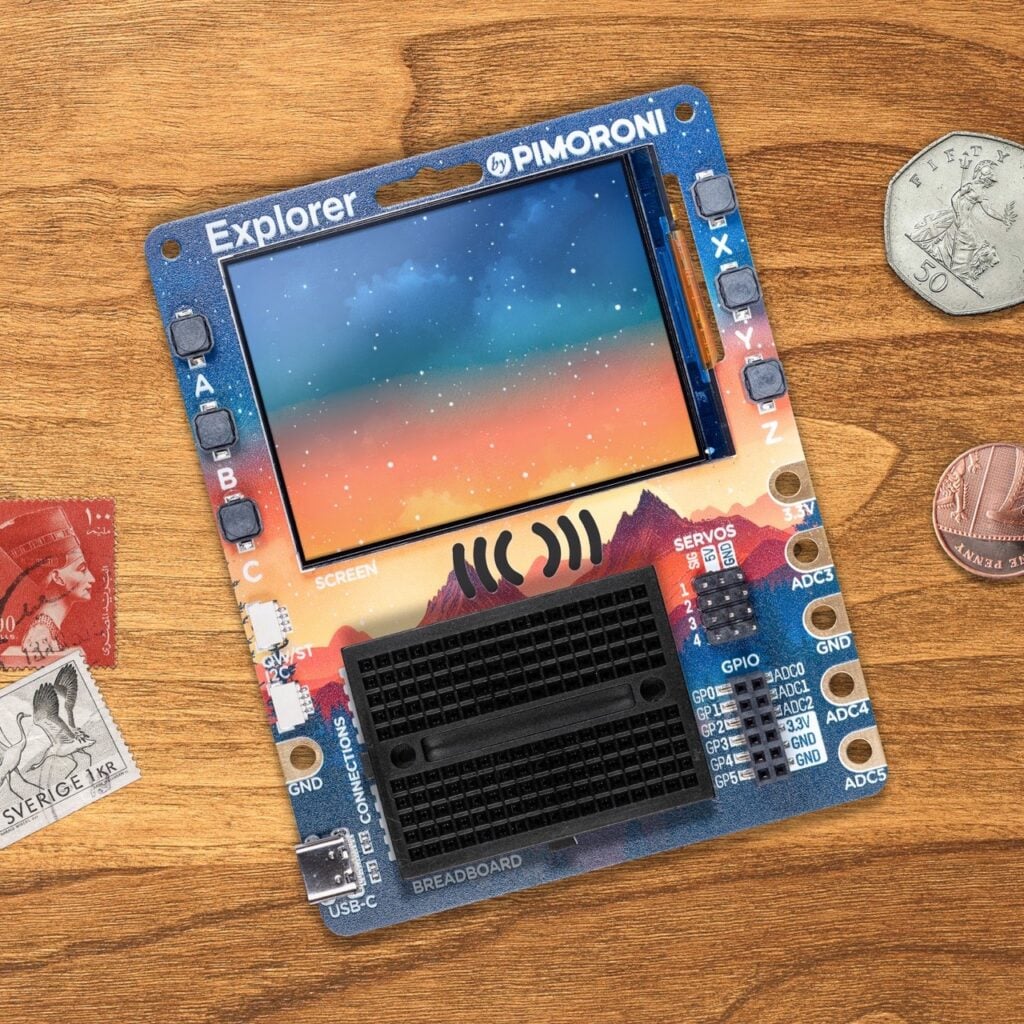
Pimoroni’s self-described ‘electronic adventure playground’ is a fantastic showcase for Raspberry Pi’s RP2350 chip. The kit features a mini breadboard on which to wire up components, two servos and servo headers to power the pair of 60mm wheels, analogue inputs and GPIO pins galore, leads, jumpers, and I2C breakouts. While these take care of connectivity and motors, there is also a healthy provision of buzzers and lights, plus a built-in speaker, a movement, light, and environment sensor, and a 2.8-inch LCD to show what’s going on. With all of this included in a £33 kit, it’s no wonder the Pimoroni Explorer routinely features in our must-have Raspberry Pi accessories guides.
BitMechanics Pixel Pump
Germany
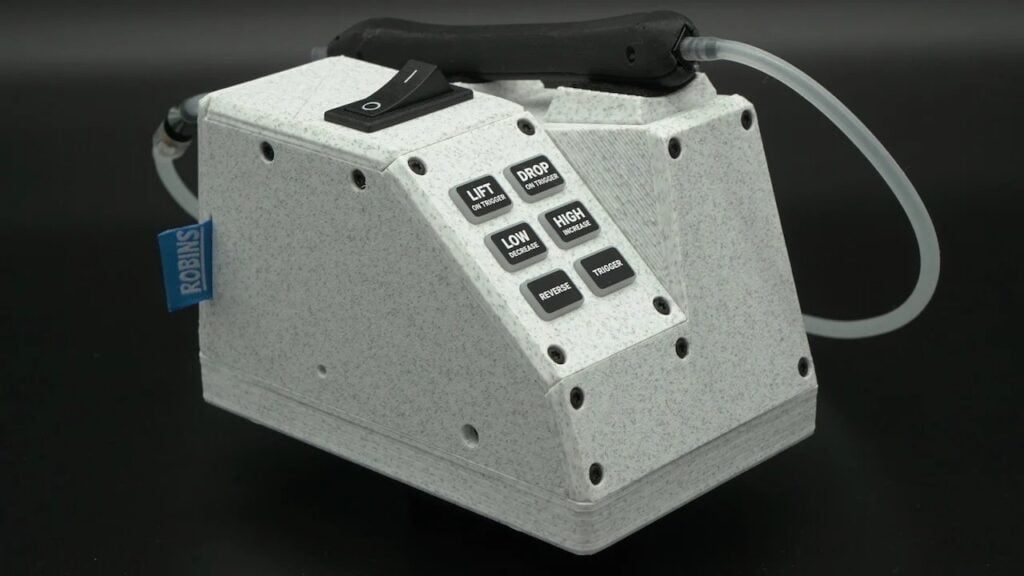
There’s a lot to like about the Pixel Pump. As well as being based around RP2040 (so we thoroughly approve), it can be purchased either as a finished product or as a 3D-printable kit, potentially saving customers some money while giving them the option to print in any colour for which you can get filament. If you’re wondering what on earth it does, it’s a vacuum pump for rapid prototyping and small batch production, suctioning up tiny components with ease and avoiding issues with greasy or clumsy fingers. The enthusiastic owners of a Pixel Pump at Nottingham Hackspace use theirs as a manual pick-and-place aid, akin to a fancy pair of tweezers. The Pixel Pump has modes to lift and lower ‘on trigger’ via the buttons or the foot pedal, and can optionally be controlled at a distance via USB.
DigiCue DigiCast TV Kit
USA
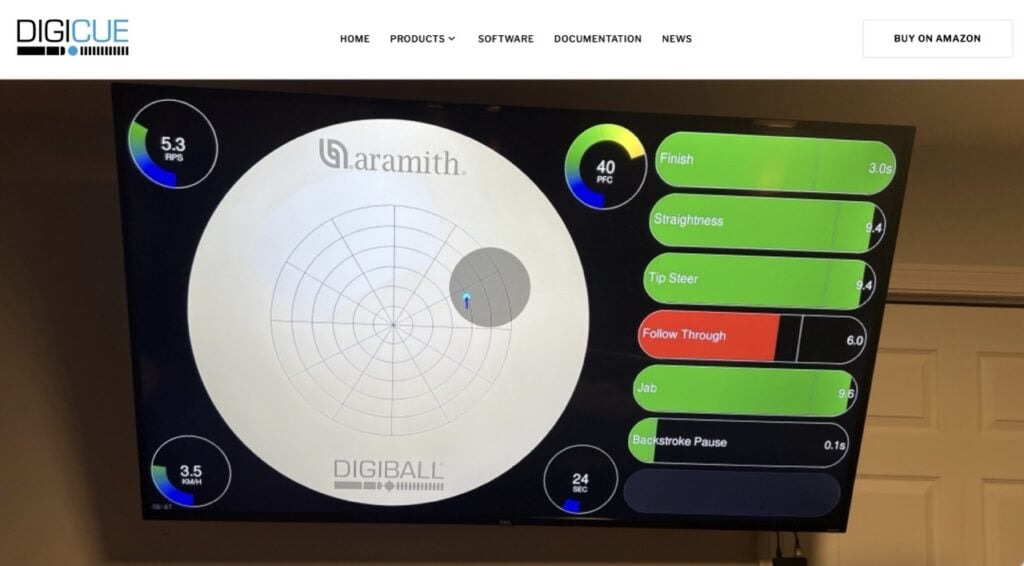
This Raspberry Pi–based TV kit is specially designed to work with DigiBall and DigiCue stroke trainers, displaying the performance of multiple players on a large screen at 1920×1080 pixels. Once connected via HDMI, the DigiCast software pre-installed on the SD card in the kit loads automatically. The DigiCue trainer fits over the butt of a snooker or billiards cue and is recognised by the Raspberry Pi module included in the TV Kit. Details are displayed on screen so that keen-to-improve players can see what they are doing well and which areas they need to work on.
Angles and straightness are accurately plotted and represented, allowing ardent snooker and pool players to gain real insights into their cueing and improve their accuracy. It can even be used when playing carom billiards, and is able to recognise additional cue balls and provide insights into the stroke. The DigiCue system provides a visual display of the amount of spin and curve applied to the cue ball, simulating both its rotations per second and where the cue struck it. During play, the cue subtly vibrates to hint at a flaw in the player’s stroke.
Presearch Node
Canada
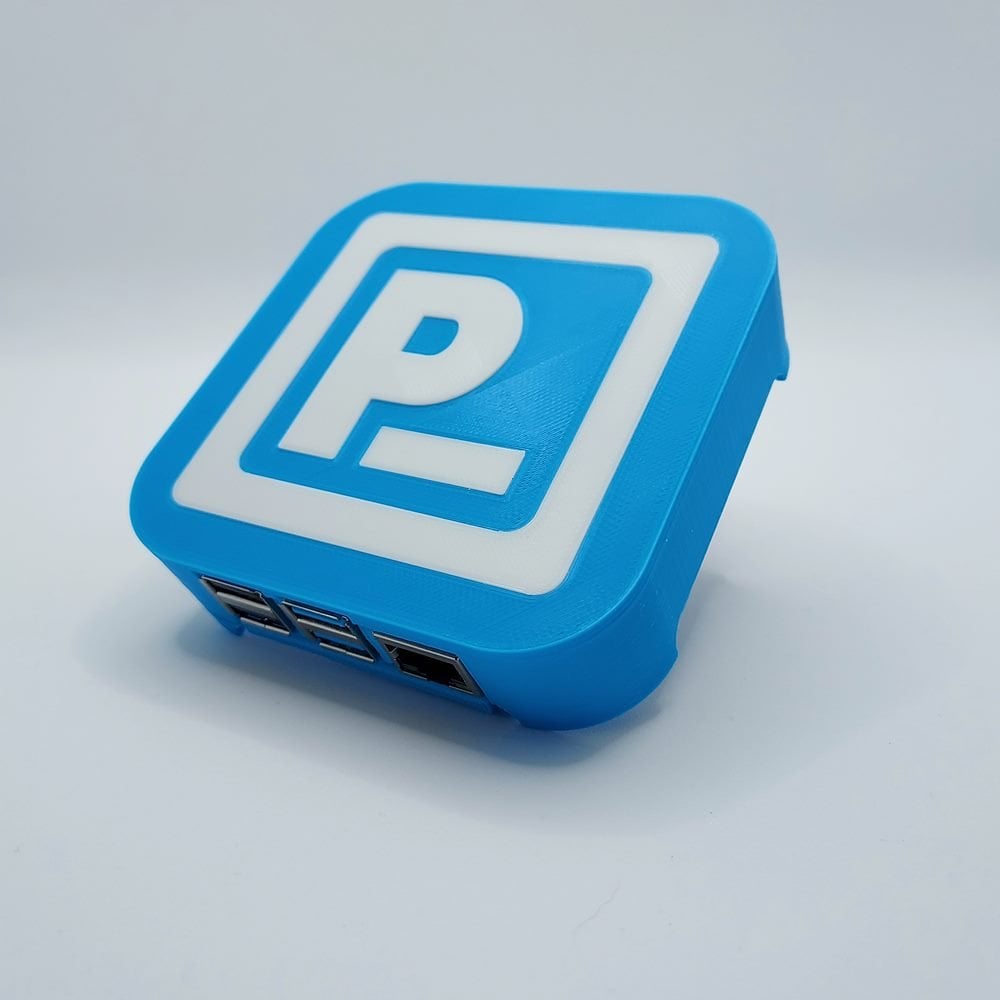
Privacy and data storage have been hot topics for years, with cybersecurity experts warning users not just about tracking and hacking, but also where they store digital files. Private browsing modes and privacy-focused search engines such as DuckDuckGo can help avoid cookies sharing your every online move, but decentralised search offers another good option. Presearch promises unfiltered and untracked online searches via nodes that operate as community servers. The software runs on a 64-bit Raspberry Pi computer. You can buy a system already set up in a custom case from US-based Coinmonster. This 4×4-inch Presearch Node hardware is based on an 8GB Raspberry Pi 4 and comes with the Presearch Node software, as well as Raspberry Pi OS, pre-installed on a 32GB microSD card.
Given that it’s got a Raspberry Pi 4 inside, it’s no surprise to learn that the Presearch Node sports a Broadcom BCM2711 SoC with Arm Cortex-A72 cores, alongside Gigabit Ethernet, 2.4GHZ and 5GHz wireless connectivity, and Bluetooth 5.0. It also has two USB 3.0 and USB 2.0 ports, plus two micro HDMI ports for a display. You will need a separate IP address for each Presearch Node you run.





1 comment
Jump to the comment form
Gary
Presearch just shut down its worldwide node network.