Solar photography with OneInchEye | The MagPi #138
Will Whang designed his own lens for his Raspberry Pi solar photography endeavours. In the latest issue of The MagPi, out today, Rosie Hattersley eyes it up.
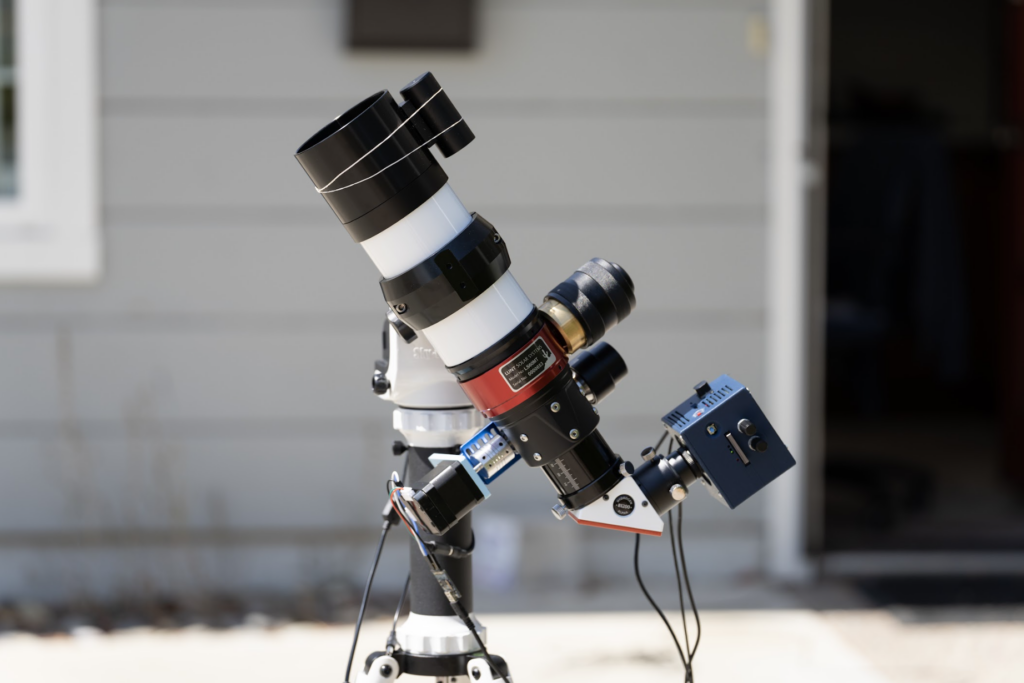
You may have read about OneInchEye in issue #137 of The MagPi: it was a lynchpin in the development of Csaba Nagy’s CinePi XL filmography project. Sensing there was a great story behind the creation of the dedicated 20.3Mp sensor, we got in touch with its maker, Will Whang, to hear how OneInchEye (named because of the size of the CMOS) came about – and to admire the resulting photography.
Warning!
Solar retinopathy
Looking directly at the sun, even for a short period of time, can permanently damage your retina. Use solar glasses that meet ISO 12312-2 standards.
Will has always been interested in solar imaging and says “the sight of the mighty sun temporarily obscured, and events like the Venus transit,” have always left him in awe. He studied atmospheric science where he had plenty of opportunities to use measurement tools and environmental sensors. “With the advent of Arduino and Raspberry Pi, I realised I could build atmospheric science-related projects, ranging from a compact weather station to high-altitude ballooning, both for personal exploration and for my undergraduate lab.” Computing and electronic engineering were natural next academic steps, and he has been tinkering and making ever since.

Development lab
With a number of Raspberry Pi projects, from CM4 clusters to Nixie clocks under his belt, he returned to his love of the sky in 2020. Will’s solar photography project used Raspberry Pi 4 and Raspberry Pi High Quality camera to track the sun. “The results were astounding,” he tells us.
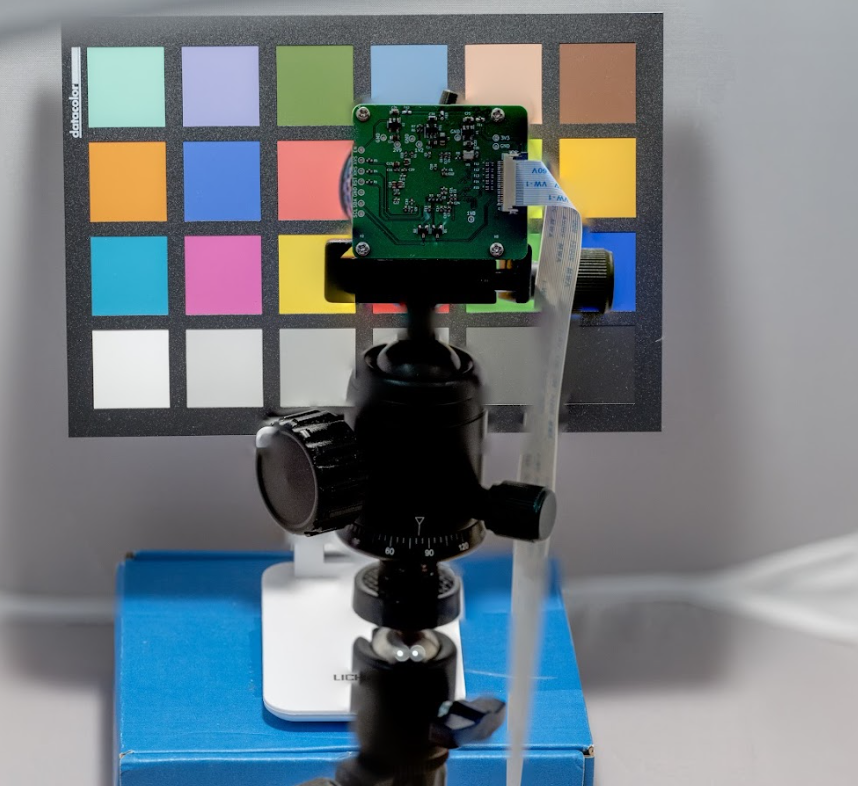
In 2023 Will felt he had pushed the Sony IMX camera module found in various smartphones to its limit, and set about developing his own image sensor using the detailed documentation of Raspberry Pi’s camera modules. The goal was to capture the solar eclipse in October 2023.
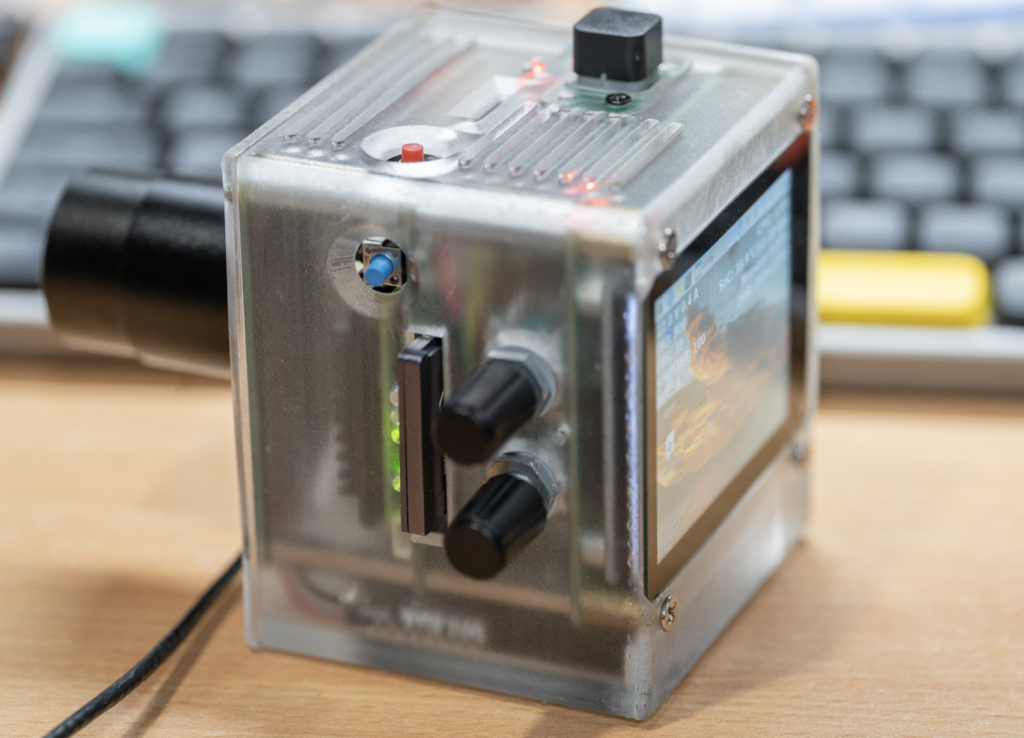
These in turn helped Will develop a modular camera system based on the image sensor boards he had developed. His aim was versatility, “easily adapting to various functions such as a video recording camera for travel or an astrophotography camera for use with my telescope, all without the need for a complete redesign”.
He says “Raspberry Pi’s comprehensive documentation on camera-related topics, such as their camera tuning guide, was instrumental in helping me write code for image sensors that are not natively supported by Raspberry Pi.” He notes that many other single-board computers are equipped with a MIPI CSI-2 camera connector, “yet they often lack detailed documentation, offering only basic guidance for a limited range of camera sensors”.
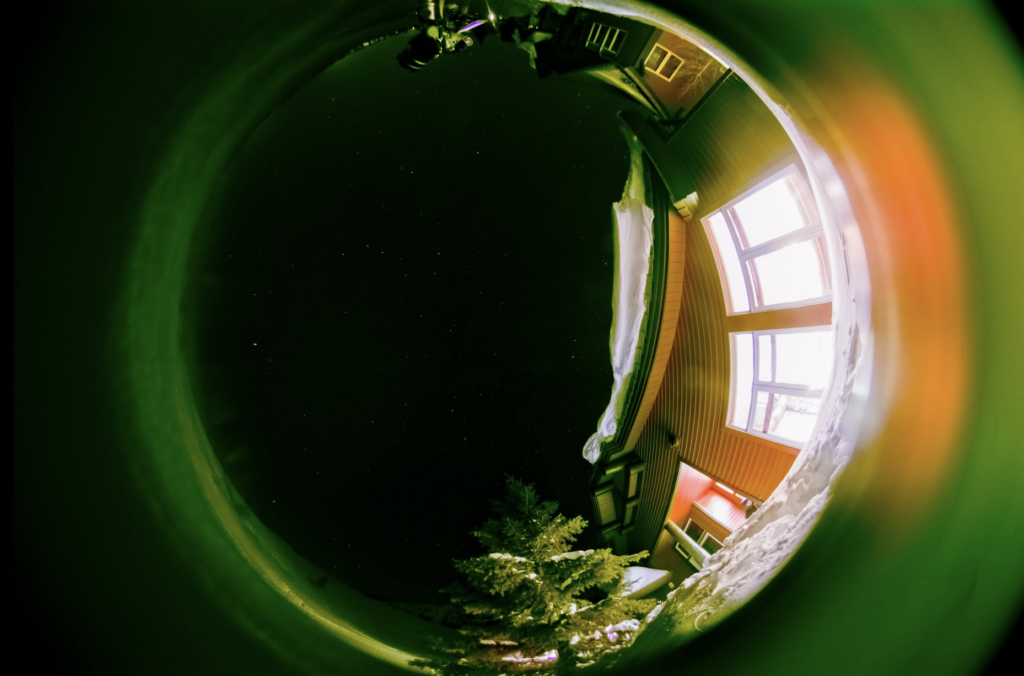
Will wanted to make maximum use of Raspberry Pi Compute Module 4 including its four-lane CSI and DSI connectors, as well as PCIe storage using CFexpress and a write speed of 400MBps. It can capture 4K images at 30fps (frames per second) or 20MP at 12fps for RAW recording. He describes CM4 as being at the heart of his project, processing output from the camera sensor, storing it on an NVMe drive, and enabling remote control and preview of the camera. However, he’s looking forward to the greater RAW recording possibilities of the next iteration and also working on integrating the RP2040 into the system to digitally control an EF-mount lens.
Striving for more
Will is delighted that Raspberry Pi supports libcamera with such aplomb, and believes it opens the door for more photography enthusiasts to experiment with their own camera designs. Having developed OneInchEye for CM4, he is already planning ahead to use it to capture the solar eclipse in Spring 2024.
The MagPi #138 out NOW!
You can grab the brand-new issue right now from Tesco, Sainsbury’s, Asda, WHSmith, and other newsagents, including the Raspberry Pi Store in Cambridge. It’s also available at our online store which ships around the world. You can also get it via our app on Android or iOS.
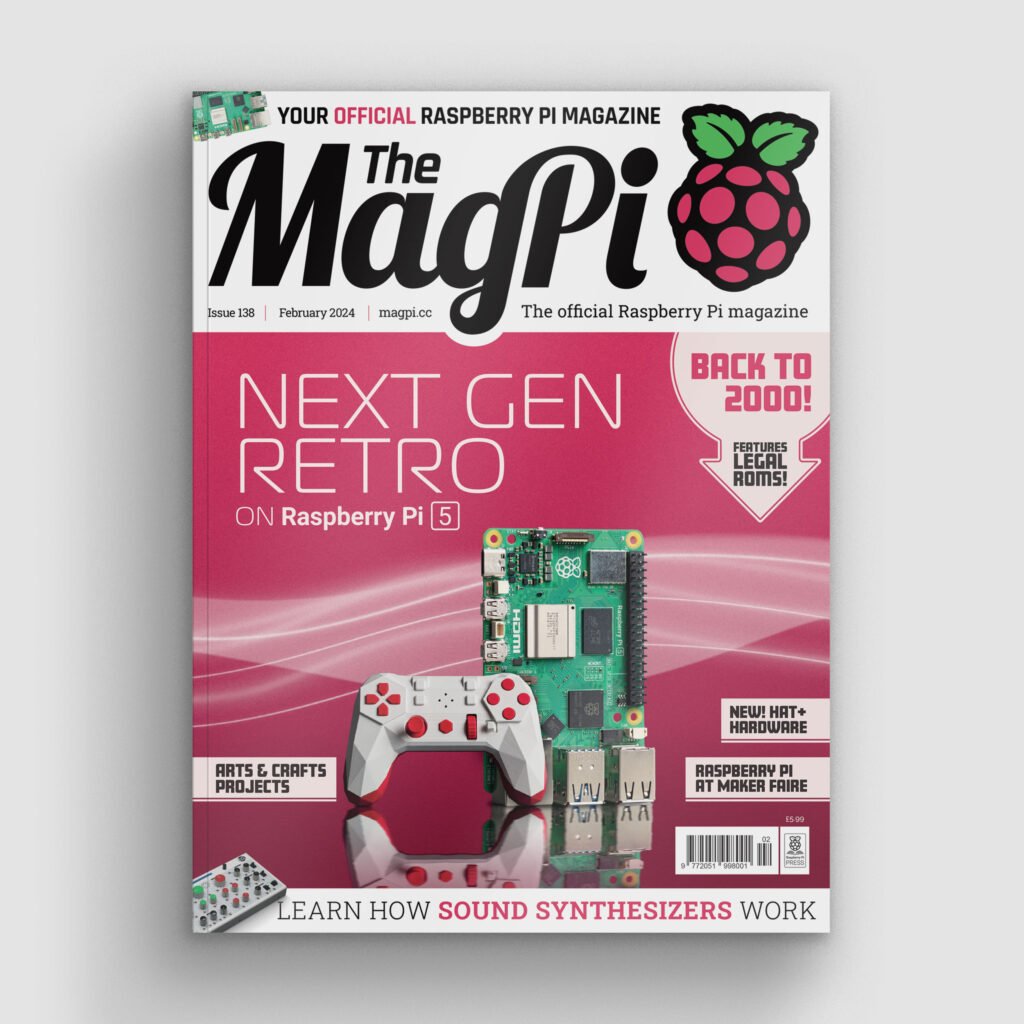
You can also subscribe to the print version of The MagPi. Not only do we deliver it globally, but people who sign up to the six- or twelve-month print subscription get a FREE Raspberry Pi Pico W!



No comments
Comments are closed