Powering coexistence: how Raspberry Pi technology is helping WWF protect wildlife and communities in Pakistan
WWF-Pakistan recently got in touch to tell us about the work they and the Lahore University of Management Sciences have been doing to mitigate human–wildlife conflict in the Gilgit-Baltistan mountains. Using Raspberry Pi 4 to power a specially trained AI detection and alert algorithm, the team is helping local communities protect their livestock without damaging the region’s ecosystem.
High in the snow-clad mountains of Gilgit-Baltistan, Pakistan, life is defined by extremes. Bare, rocky ridges stretch across a harsh landscape where communities depend heavily on livestock for survival. In this same terrain lives one of the world’s most elusive predators — the snow leopard.
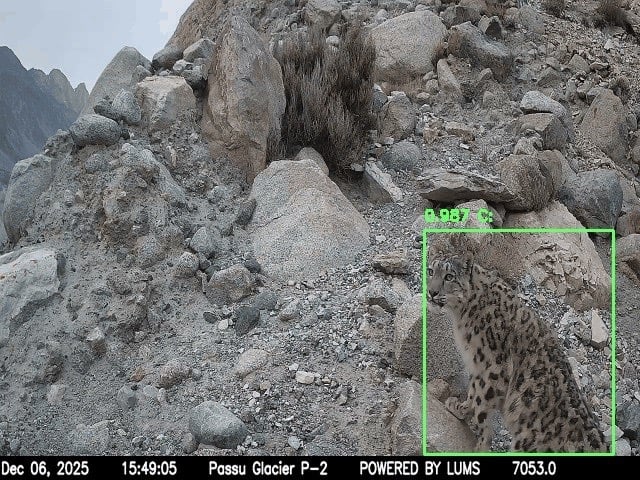
For local communities, the snow leopard is both a symbol of pride and a source of risk. As natural prey declines and habitats shift under the pressures of climate change and expanding human settlement, livestock depredation has become the primary driver of human–wildlife conflict. In a single predation event, as many as 60–70 animals can be lost — a devastating economic blow for families whose livelihoods depend on their herds.
To address this escalating challenge, WWF-Pakistan partnered with the National Center of Robotics and Automation at the Lahore University of Management Sciences (LUMS) to develop and deploy an AI-powered Predator Early Warning System. At the heart of this innovation lies Raspberry Pi 4.
Conservation at the edge
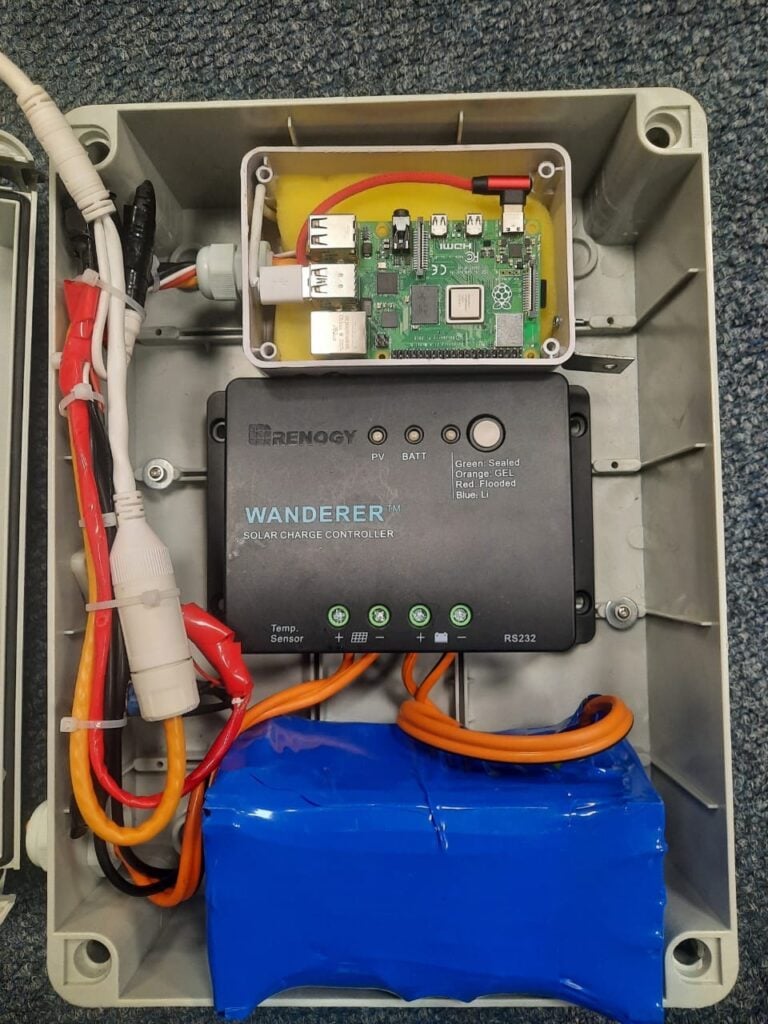
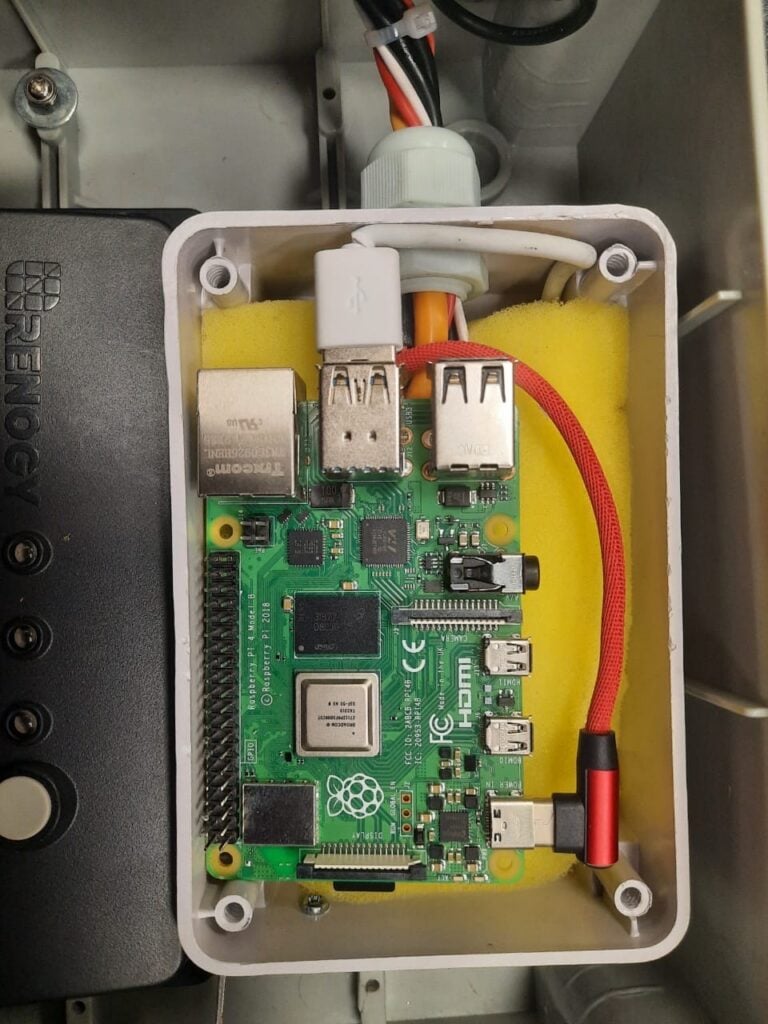
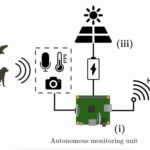
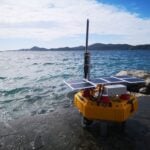
Since 2022, solar-powered camera traps built around Raspberry Pi 4 single-board computers have been strategically installed in high-risk zones near human settlements. Well adapted for remote, high-altitude environments, the system combines durability with intelligent edge processing.
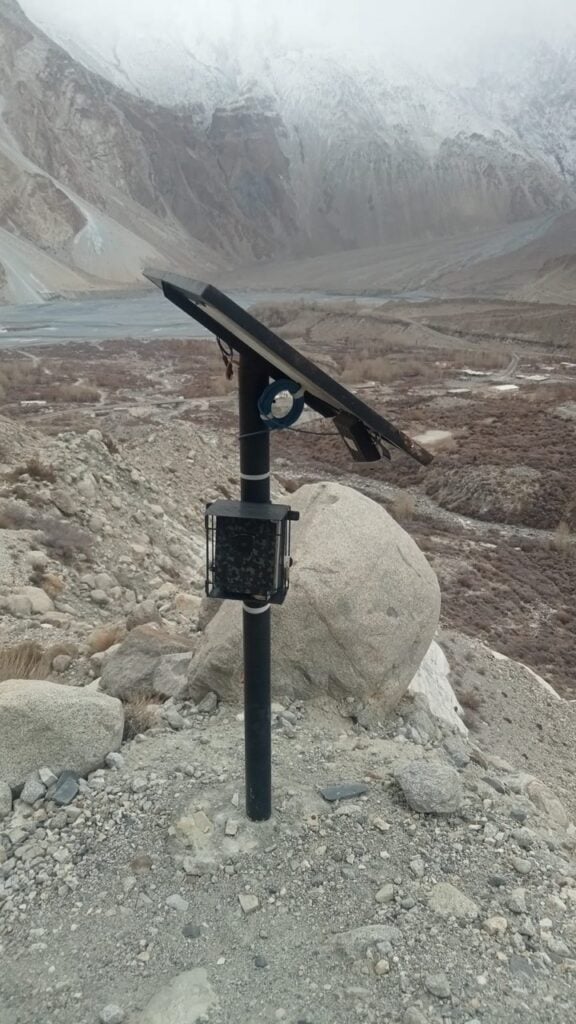
Each unit captures images of passing wildlife and transmits real-time data to a central monitoring platform through the local 4G network. A trained AI algorithm analyses incoming images to detect the presence of snow leopards and other predators, including foxes, wolves, and Himalayan lynxes.
When a predator is identified near grazing areas or livestock enclosures, the system automatically generates alerts for field teams and community members. This early warning enables villagers to secure their livestock before an attack occurs, shifting their response from reactive to preventative.
Technology that builds tolerance
The innovation of the solution lies not only in the hardware or the algorithm, but in its impact on community perception. By reducing economic losses, the Raspberry Pi 4–powered system is helping to break the cycle of fear and retaliation that often defines human–wildlife conflict.
Communities are no longer forced to choose between protecting their livelihoods or protecting the region’s wildlife. Instead, they are equipped with information that allows them to do both. This has resulted in a measurable attitude shift, with locals going from viewing the snow leopard solely as a threat to recognising its ecological importance for maintaining healthy mountain ecosystems.
The current model has proven both scalable and adaptable. With support from the Forest, Wildlife and Environment Department of Gilgit-Baltistan, there are plans to expand the system to additional high-conflict areas across the region. The next phase will be for WWF and LUMS to look at how to deter predators from attacking livestock altogether.
A blueprint for coexistence
This initiative has demonstrated how affordable, flexible computing platforms like Raspberry Pi can power real-world conservation in some of the planet’s most challenging environments. By combining edge computing, AI, solar energy, and mobile connectivity, WWF-Pakistan and its partners are showing that technology can do more than monitor wildlife — it can enable coexistence.




6 comments
Jump to the comment form
Nic
The overall concept for de-escalating conflict is sound and commendable, but does it truly use “intelligent edge processing”? From the description, the Rpi4 is sending every image over the 4G network for central analysis. True edge AI processing would be significantly more efficient.
Shawn
this is solar powered, edge AI will consume battery fast, so it makes more sense just sending images away for remote processing
Rahul
Good application of edge AI. The model is well trained as it distinguishes between predators and livestock against camouflaged backgrounds and different light conditions. It would be nice to get more details of the AI model used.
David
Is there a complete list of animals it can detect? And is it downloadable/usable with say Ollama? Would it require a GPU?
solar3000
ahh hell, I had trouble spotting that cat. these kompweters keep getting better.
Tristan
cool