Make an AI device to tell you bedtime stories
“A magical raspberry pie called Pippa that tells stories to kids in a lush enchanting forest.” This is one example of a bedtime story generated by Fably, a Raspberry Pi Zero 2 W-based device that uses free, open source AI storytelling software.
Stefano Mazzocchi is fascinated by AI language models, so he decided to have a go at building a device for AI-generated storytelling for his daughter. He was keen to make something that could tell creative and entertaining bedtime stories. The result is Fably.
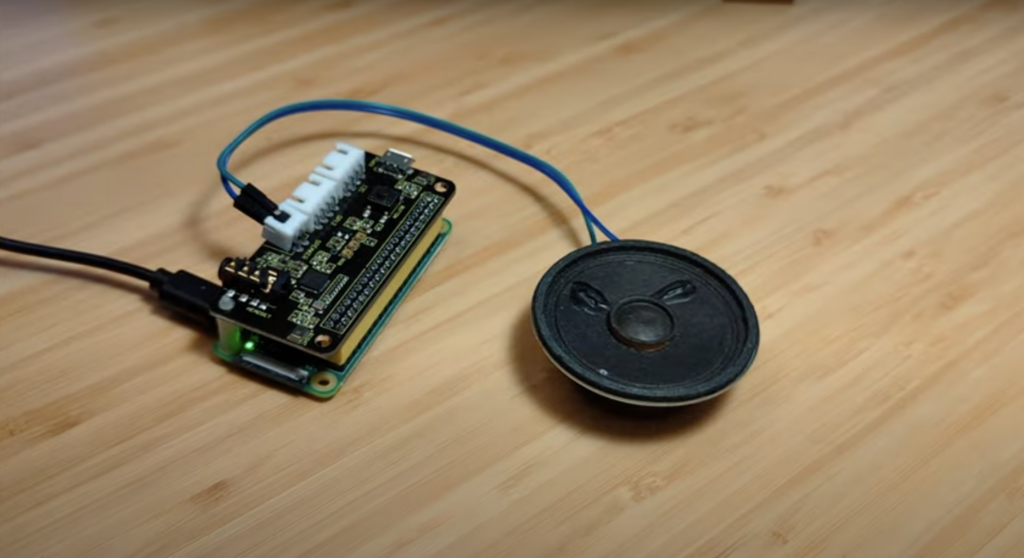
Stefano designed Fably with three criteria in mind. It can run on low-cost hardware (that’s where we come in), and it has high-quality speech synthesis and minimal latency. Latency is important for storytelling. If it’s too high then children might get impatient while the device takes a long time to generate a story, so low latency reduces the risk of this happening.
How does Fably work?
Say to the device: “Tell me a story about…” with your story idea, and it will generate the story out loud for you. If you want to hear a story about a unicorn whose favourite food is raspberries, for example, Fably has you covered.
Fably interprets story requests using speech recognition, and creates the stories using generative AI. Certain elements of this are too heavy to run directly on Raspberry Pi Zero 2 W, so Fably offloads these to beefier computers via the internet. The use of cloud APIs, such as OpenAI’s, minimises the latency of the storytelling. The device itself, however, remains small and discreet thanks to the size of the Raspberry Pi hardware. You don’t want a gigantic server humming away in your child’s room and adding to your electricity bill.
How safe is it?
Fably aims to avoid some of the risks of AI for children. For example, you can implement a query guard which ensures that only certain request templates are processed: you could set it up so it only responds to story requests beginning with “tell me a story about…”. OpenAI models are also subject to their own tests for inappropriate and harmful content, which helps to avoid this being used to generate stories. You can restrict the device so it excludes specific topics too. Lastly, Fably saves every story it generates, so you can check it later. Safety is clearly something that Stefano has weighed thoughtfully — you can read more about his thinking on the Fably homepage.
If you’d like to read more about the ideas behind Fably, you can read Stefano’s article about the inspiration behind the project and the hardware he used on Hackster.





No comments
Comments are closed