Find My Cat: Raspberry Pi GPS tracker for pets
Sahas Chitlange is a creative engineer with a passion for cats. He built a GPS tracking device using Raspberry Pi to keep an eye on his cat’s whereabouts.
Protecting Pumpkin and wondering about Wilbur
Sahas was worried about his beloved cat Pumpkin going missing. Disappointed by the lack of reliable cat tracking devices on the market, Sahas decided to take matters into his own hands and make one at home using Raspberry Pi.
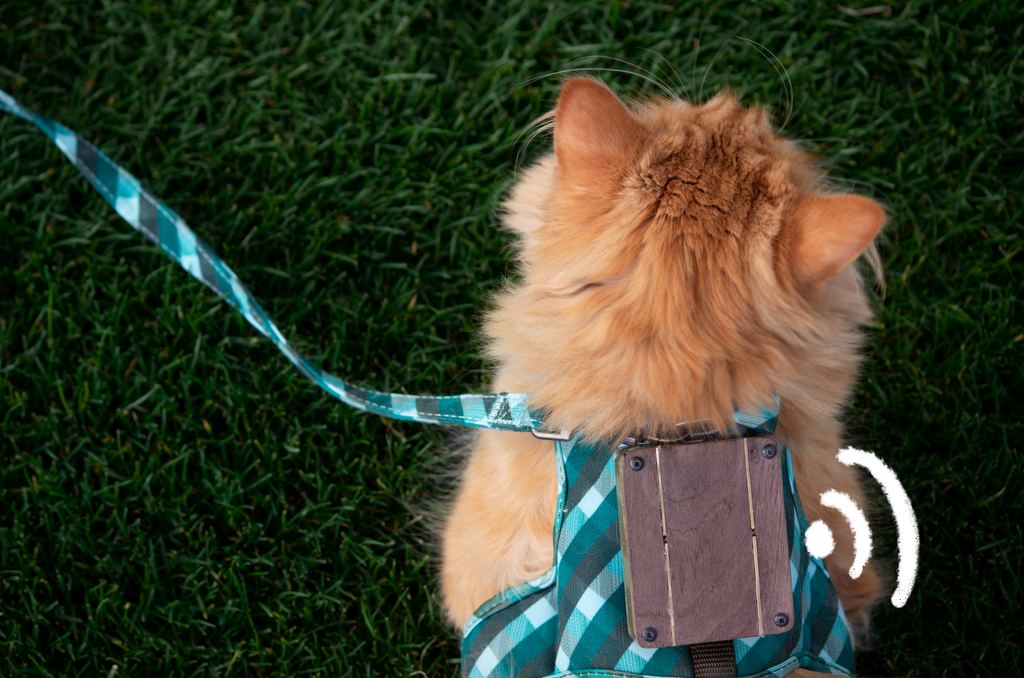
I love the concept of this device and would find it fascinating to try it out on my own cat, Wilbur. Wilbur adores his daily outdoor adventures, often only coming back home for his meals. In the past he has been spotted sleeping in our neighbours’ flower beds or admiring the view on a nearby rooftop. But where else does he go? Does he have a secret second family whom he prefers to us?
Designed for comfort and reliability
Sahas had four key aims for his tracking device. First, it should fit comfortably around a cat; second, the battery should be long-lasting; third, the tracking should be reliable and updated in real time; and, finally, it should be able to use GPS for positioning.
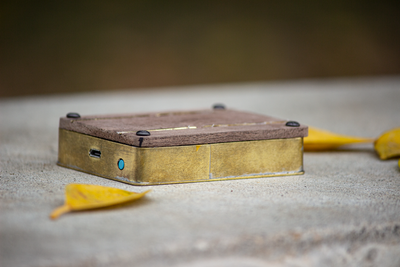
The device that Sahas built has twelve days’ worth of battery life, is open source, and connects to a web app where you also have the option to track more than one cat. With this device, you could corral an entire feline army. Location data is sent to the Raspberry Pi, which communicates the wearer’s whereabouts via the web app.
Hardware
Sahas repurposed his old Raspberry Pi 3 to build this, along with the following hardware:
- A9G GPS/GSM board, for location tracking
- USB-to-TTL converter
- Lithium ion battery
- SIM card
- TP-4056 battery charger
Sahas’s Instructables page includes some wonderful pictures of Pumpkin the cat [can confirm is magnificent ginger beast — Ed.], as well as hand-drawn images of the design.
Moody moggies
Hopefully this device will help put fellow cat enthusiasts at ease. Part of why we love cats is because of how free and independent they are, but knowing that they’re safe is of the utmost importance. Let’s be real, though: there’s no guarantee that your cat will be particularly happy when you find them. Maybe they wanted to fall asleep in the milk delivery truck and wake up three counties over?

7 comments
Anders
Interesting project, but because a cat is likely to try to squeeze through small gaps, such an encumbrance as that enclosure is not practical in the real world.
John Mood
Well, I respectfully disagree.
I refer to the straight down photo of the kitty. His whiskers are WAY wider than the device enclosure. The whiskers are a cat’s way of knowing if he/she will fit down a passageway, so for the most part I think the cat will be OK, as will his tracker device.
Raspberry Pi Staff Ashley Whittaker
This reminds me of that cat who wears a wooden spoon as a back pack so it can’t slip through the balcony bars.
Keystone
No, that’s not how it works. A cat will take on much smaller gaps than its whiskers width, it does use them for sensing but their extended length is not the limiter.
If this is to be attached to a cat then it must use a fastening that will free it with a reasonable breaking strain to avoid trapping the animal.
Raspberry Pi Staff Helen Lynn
I’m super interested in where Archie disappears, to return home licking his lips and smelling strongly of old-fashioned eau de toilette, the faithless so-and-so.
Marlon Samaniego
Very interesting, fun project. I plan to add GPS to my robotic grass mover I built so this will be useful in understanting how to get GPS to work.
plohj
pi pi pi
cat
Comments are closed