Exploring the ocean with Raspberry Pi–powered marine robots
Exploring the ocean may sound exciting, and it’s certainly vital for marine research, but harsh conditions, deep water, and high costs make most marine-based tasks difficult and dangerous for humans. Autonomous vehicles can handle the job, but low-cost hardware and accessible software are essential to opening up this area of conservation.
One company pushing this work forward is MDM Team, which builds autonomous marine robots powered by Raspberry Pi Compute Module 4.
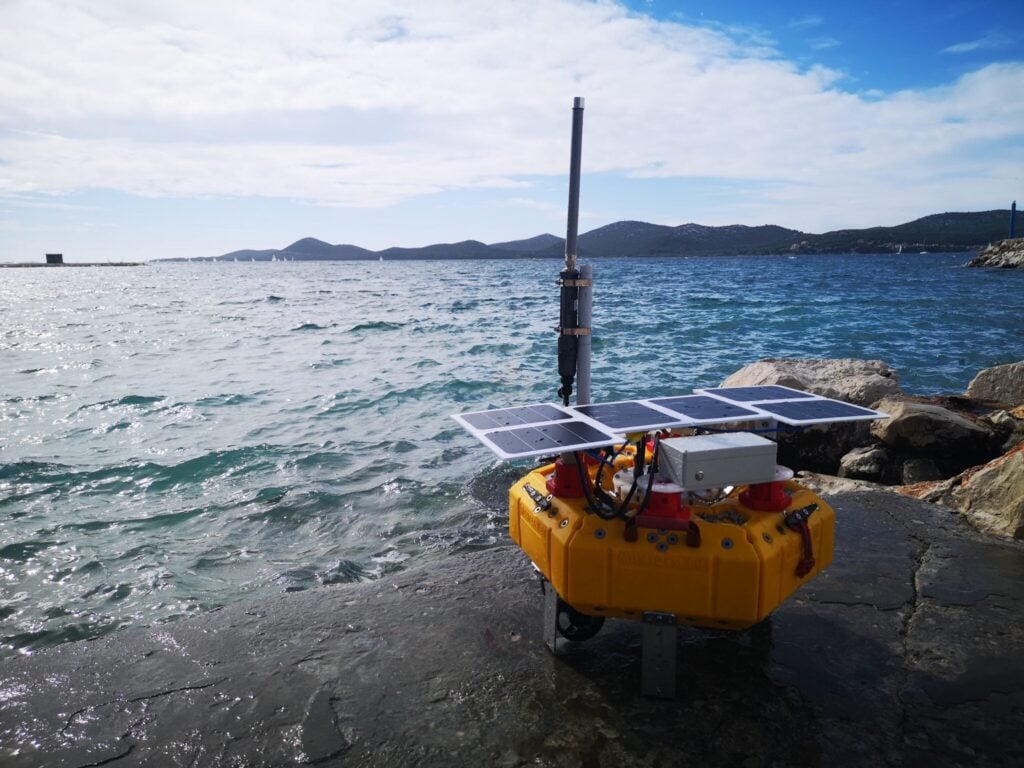
Founded as a spin-off company by professors and researchers specialising in mechatronics, robotics, and underwater vehicle design at the University of Florence, MDM Team develops robotic systems designed for underwater exploration, environmental monitoring, and industrial inspections. Their vehicles include autonomous surface vehicles (ASVs) and autonomous underwater vehicles (AUVs) that can perform tasks like hydrographic surveys or infrastructure inspections without needing a human operator on board. Instead, the vehicles rely on sensors, sonar cameras, and onboard computing to navigate and gather data on their own.
Small robots, big challenges
Marine environments present unique engineering challenges. Vehicles need to be compact and lightweight while still processing large amounts of data from sensors and navigation systems. Power efficiency is also critical, since underwater robots often run on batteries and need to stay operational for long missions in places humans cannot easily reach to recharge them. Also sharks. We all hate sharks.
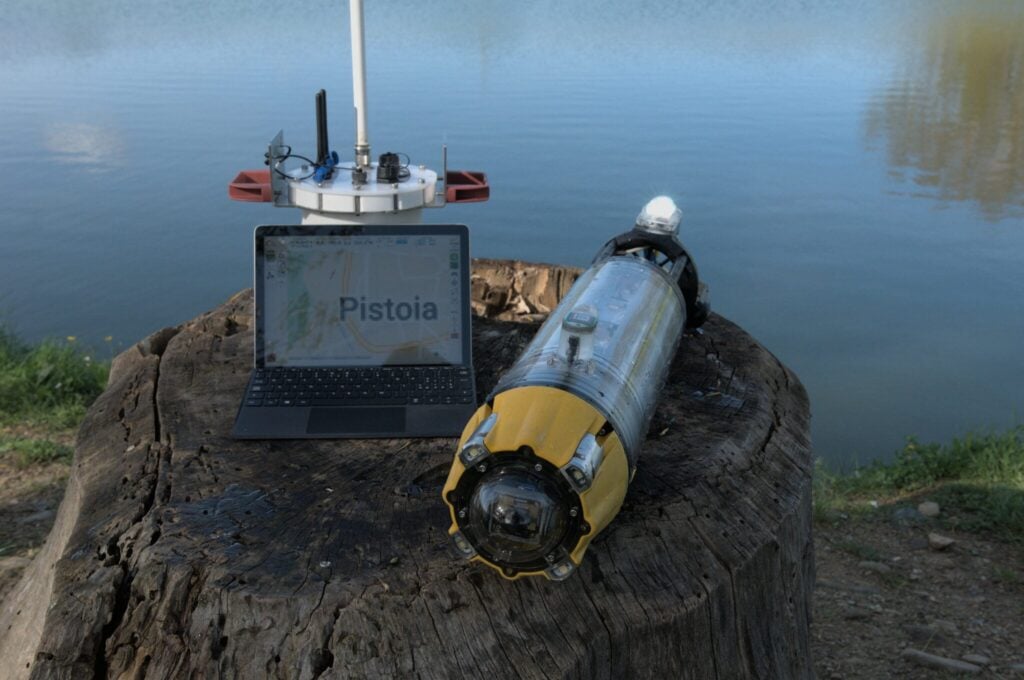
To tackle these challenges, MDM Team designed low-cost vehicles capable of autonomous operation. These can be customised depending on what the user wants to explore underwater — whether that be scientific research and environmental monitoring or defence and infrastructure inspection.
Raspberry Pi at the heart of the system
Inside each of the two vehicles developed by MDM Team (Cariddi, an ASV, and Stok, a micro-AUV) is a dual system built around Raspberry Pi Compute Module 4.
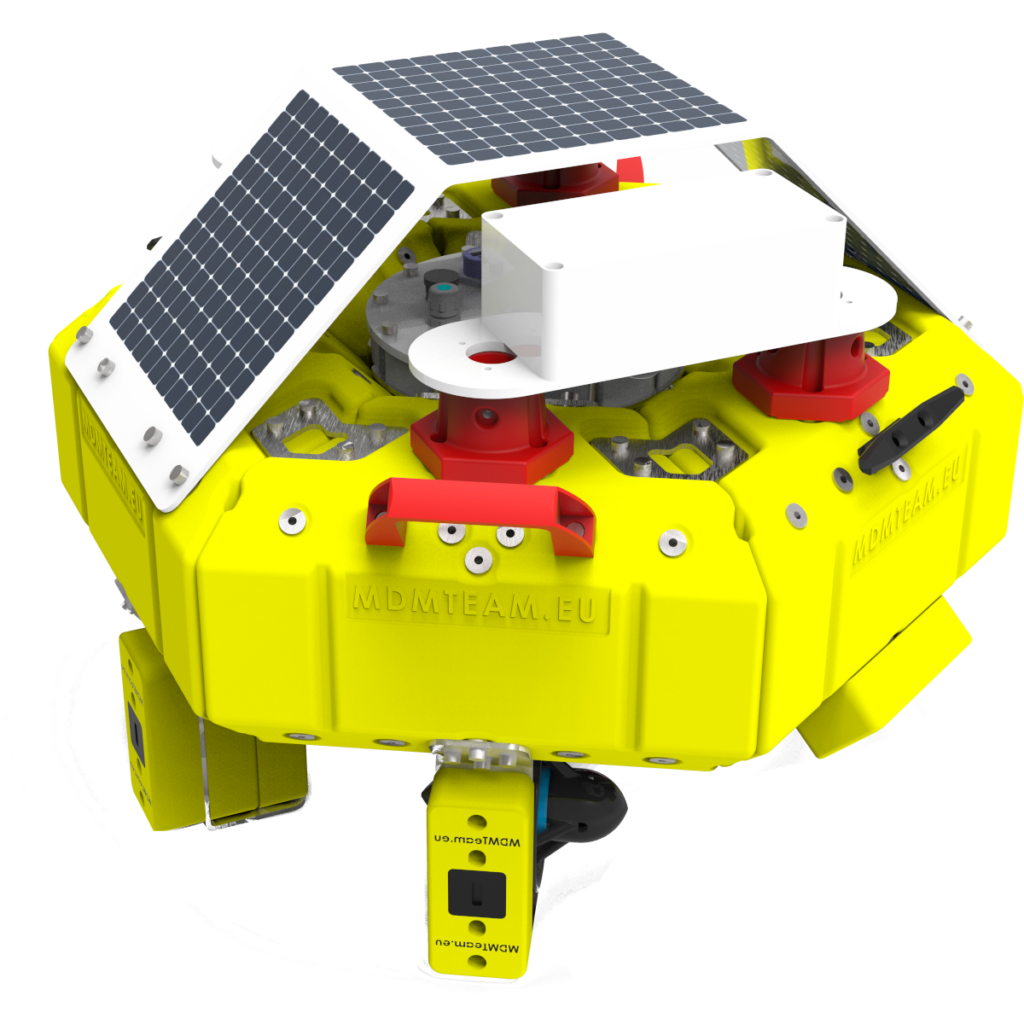
A custom carrier board connects the Compute Module to the rest of the vehicle’s hardware. This board integrates navigation systems such as GPS, and connects all of the sensors used for navigation and measurement. Raspberry Pi Compute Modules are the central nervous system of each robot, coordinating sensors, propulsion systems, and data processing all at once.
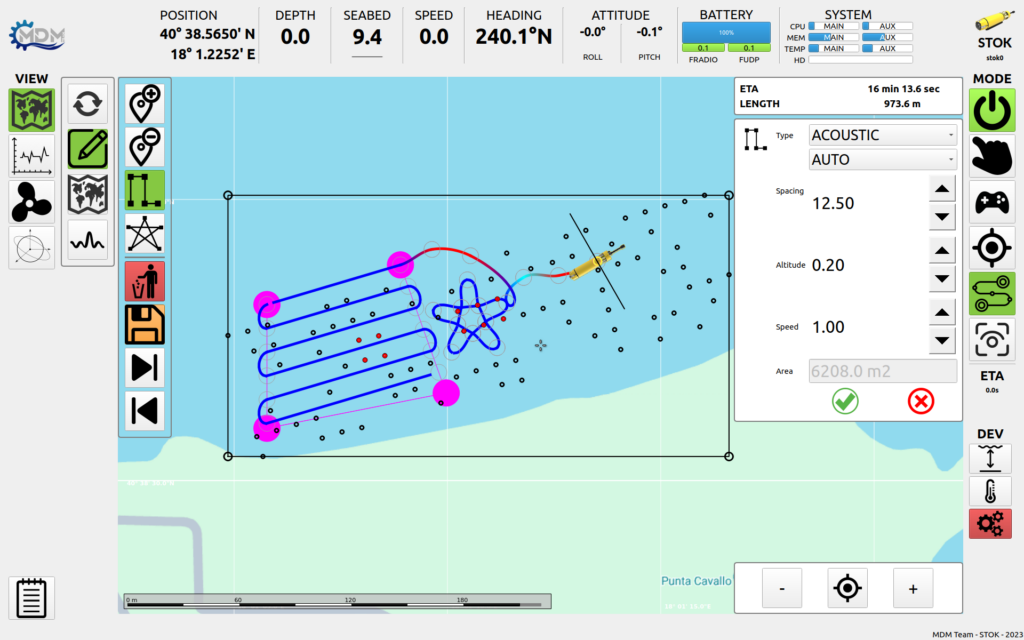
The team chose Raspberry Pi due to its compact size and energy efficiency, which are essential for underwater vehicles, as weight and power consumption directly impact buoyancy and potential mission duration. Raspberry Pi’s support for Linux was also a huge plus, giving access to endless development tools. By lowering costs using Raspberry Pi hardware, systems like these make it easier for organisations to collect valuable ocean data without needing large crews or expensive research vessels.
More marine biology with Raspberry Pi
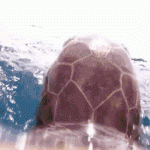
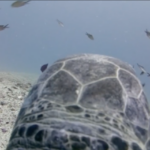
Raspberry Pi has been used in many marine biology solutions before. A memorable project was Arribada Initiative’s deployment of Raspberry Pi–powered camera systems mounted on the backs of turtles to keep an eye on wildlife in their complex environment.

Penguinologists are also big fans of Arribada’s low-cost monitoring solutions. Their hardware proved capable of withstanding harsh Antarctic winters, and was found to have dutifully collected one photograph each day when they were finally serviced after three years out in the field.

Raspberry Pi in the natural world
In fact, there are so many captivating instances of Raspberry Pi powering research and conservation projects around the world that we gathered them all here and created the animation below to illustrate some of the more photogenic ones.
From bear facial recognition in Alaska and bat detection in Germany, to listening to the Bornean rainforests and measuring volcanoes in Hawaii, Raspberry Pi has been successfully deployed in countless natural environments.


4 comments
Jump to the comment form
Misterchristoff
Wonderful stuff. More of this kind of inspirational work on the blog please!
Timothy Geisler
well, at least someone got their pi Project to work. I probably got $2000 worth of single board computer sitting here with hats to do different projects but I haven’t been able to get Linux to behave well enough to actually make any of it useful. While you’re at it, try to talk to Marine life using AI and just ask them. Pi5 or a pain in the behind because of the way they designed its power circuit so that it’s so finicky. It’s impossible to deploy anywhere. Lol
Anders
This is a Compute Module project, so the designers will have more control over the power circuit. CMs are more intended for deployment, though I do sometimes wish for a simple barrel connector for the power supply.
Timothy Geisler
While you’re at it, add AI and try to communicate with everything because we have to get our science done here on earth to be affected in the rest of the solar system and we keep talking about alien life when we don’t even communicate with each other or the other species here on earth. Everyone calls it artificial, but it’s just another extension of advanced life development so there’s nothing that we do here that’s actually artificial. The universe gave birth to everything that’s living and everything that’s slipping is in the universe which means it’s alive in every way.