CoolCoral: Raspberry Pi Pico coral cooling solution | #MagPiMonday
How do you cool ocean coral? A group of volunteers discuss this regularly and their current solution makes use of Raspberry Pi Pico.
As the climate around the globe changes, nature itself is being affected. Ocean reefs and their coral are just one of the ecosystems under threat, so research into them is very important.
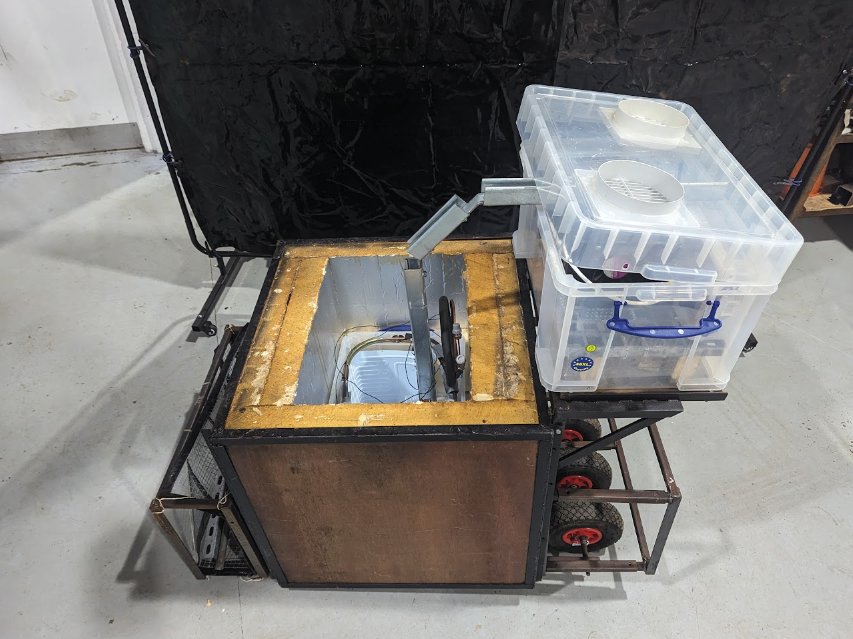
“Field experiments involving coral in tropical climates are increasingly hampered by heatwaves – and that’s a pleasant turn of phrase,” Explains Iestyn Jones, a member of the volunteer group CoolCoral Project. “Basically, unpredictable heatwaves cause unpredictable temperature shifts that can overwhelm and, more often than not, kill coral samples and render oceanographic experiments fruitless.”
These fatal heatwaves are becoming more regular due to global warming, however the device the group have been working on “concentrates cool water onto coral samples and alleviates the fatal effects”. Water cooling for coral then, like a high-spec gaming PC.
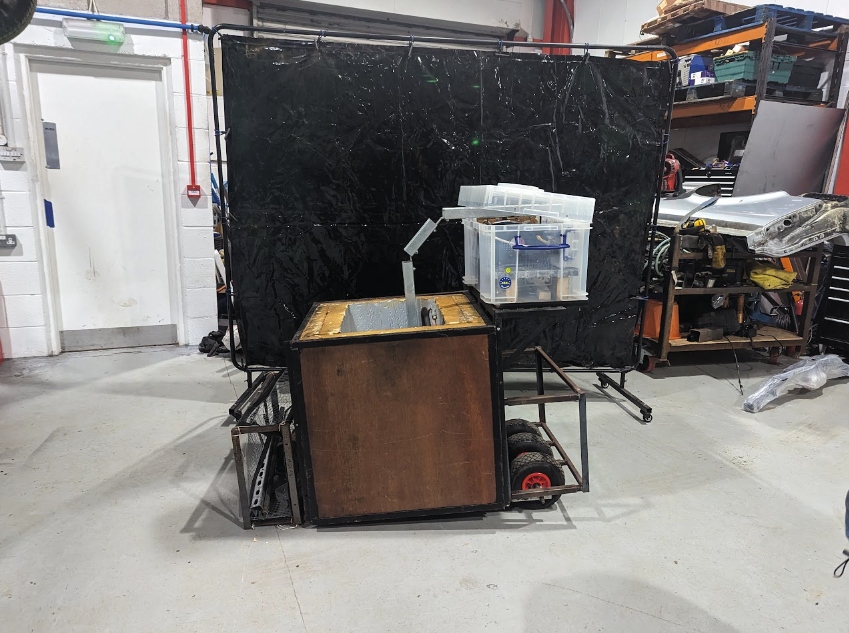
“It’ll be a solar-powered machine that’ll be cooling sea-water temperatures and running a Raspberry Pi Pico for data readings and collection,” Iestyn tells us. “It’s simple science –KS4, I’d estimate – but it’s a combination of ideas that’s gone untested… until now!”
Pico at sea
Members of the team described the build process as “agile, rapid prototyping,” so it’s no wonder they chose Pico for the job.
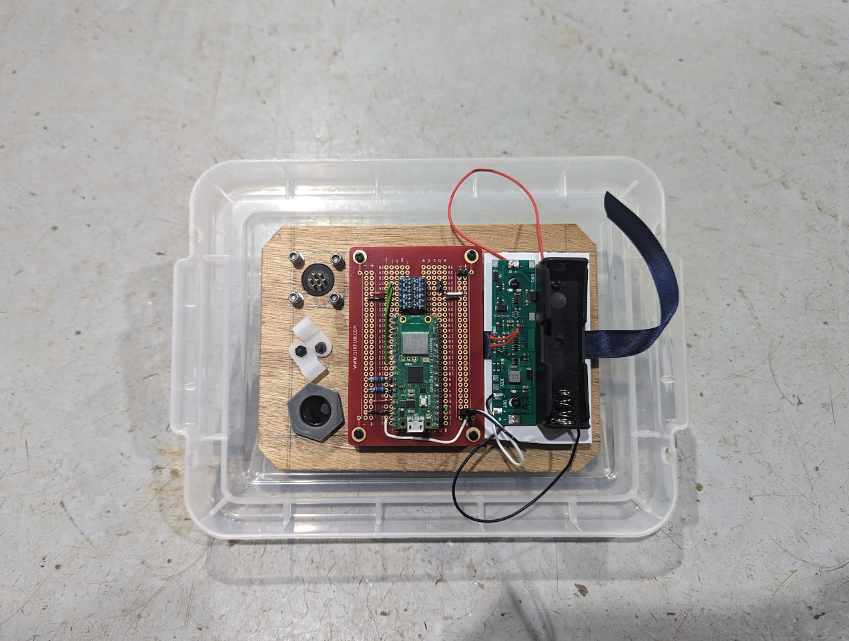
“Not only is Raspberry Pi Pico extremely accessible and uncomplicated, but it offers a comprehensive range of functions and capabilities that our device requires,” Iestyn says. “For example, Pico’s ability to run two different threads simultaneously allows us to run the device itself, its pumps and whatnot, while also hosting a website.”
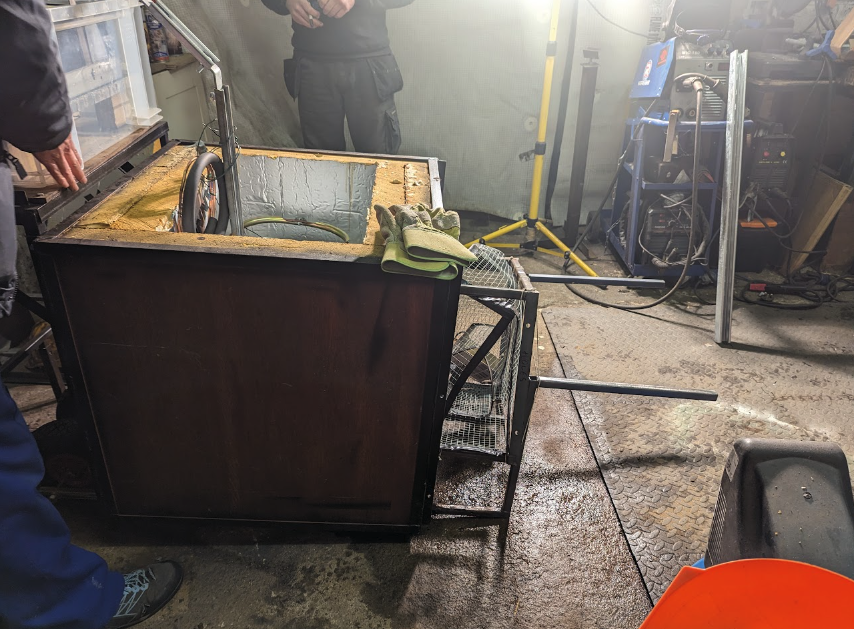
The web server is accessible remotely, not only allowing easy access to data across the globe, but also to update the system thanks to the wireless connection on Pico W. The system itself does a lot more than take readings, though.
“From the outside, the device looks like a wheelbarrow drawn by a three year old: it’s a cumbersome brown box with handles and some dinky wheels but, inside, it’s a toybox of entropy,” Iestyn says. “Pumps take in seawater through a hose before sending it through a digestive tract of more hose, copper pipes and a ribbed-metal refrigeration unit that’s filled with ice. It doesn’t need saying that the water cools on this journey. Eventually, the cooled seawater enters another external pipe that runs towards the seabed and, hopefully, a chunk of coral that’s shivering its timbers over the prospect of a heatwave.

“Meanwhile, floating above the sea level in a hermetic box is our Raspberry Pi Pico. Up there, [Pico] is running constant temperature and performance readings which are being sent in real time towards a device connected to the Wi-Fi. If anything goes awry, a notification is zapped across the air and the device can be reeled in for repairs.”
The team has made sure that the mechanical aspects of the device can be fixed as easily as possible, in fact all it requires is a single type of spanner. “The whole thing, meanwhile, is being powered by two enormous solar panel wings held afloat on either side of the device by rubber tyres, or buoyancy aides.” Iestyn says.
Prototyping stage
The device is still undergoing tests, with most of the electrical and mechanical system done. Currently float tests are being conducted.
“If anything [it was] too successful,” admits Iestyn. “With the device floating much higher than it needed to and answering the question: ‘Will we require ballast?’”
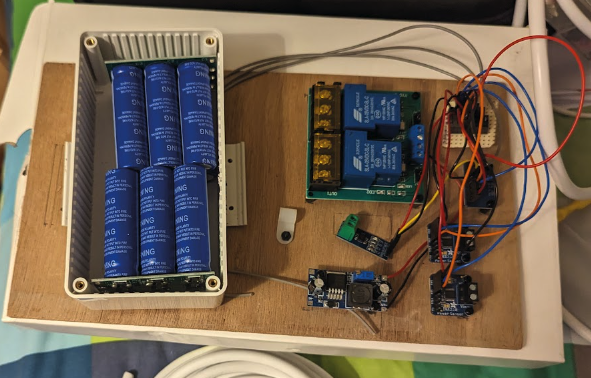
Once all the testing and prototyping is finished and combined into a single test, the team reckon they’ll start on a second model in the future based around their findings.
“We’re conscious that the CoolCoral Project is coming across as oppressively niche because, well, it’s a machine that chills-out diddy clumps of coral – it’s hardly carbon capture technology,” Iestyn says [Ed note: we think it’s very cool]. “However, the project is terribly exciting because of its flexibly multifaceted nature. There’s already interest being shown towards utilising this device for experimenting with substrate microbes, and that interest isn’t even concerning the coral-cooling part of it. A floating device that has the potential to store masses of energy is, frankly, unheard of in ocean sciences. Most ocean-based experiments running today require boats and diesel engines to run. Our machine uses solar panels! This is how untouched this kind of thing is! We’re tinkering on the tip of a vast iceberg of possibilities when it comes to ocean-centric energy devices, and we’re very excited to see where further experimentation can take us.”





No comments
Comments are closed