Badgercam | #MagPiMonday
Happy #MagPiMonday! What do you do when you want to observe wildlife at a distance with little interference? Dig out a spare Raspberry Pi, as Rob Zwetsloot finds out. Meet Badgercam.
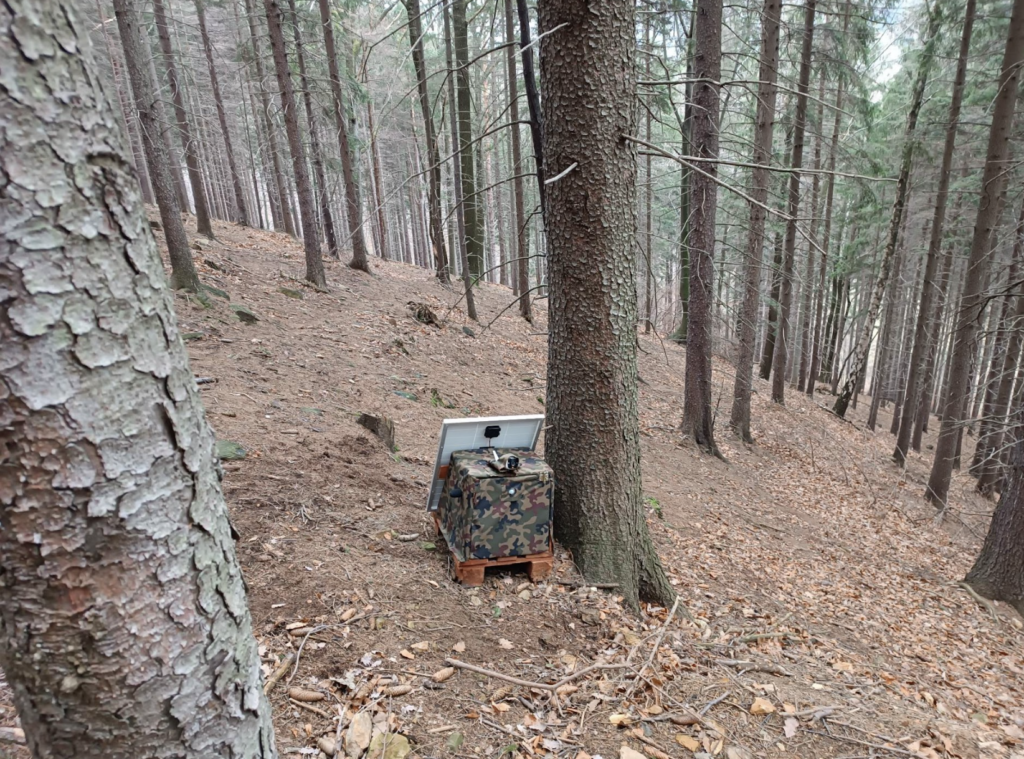
It seems like we’ve been covering wildlife camera traps a lot recently but, to be fair, they’re all very cool. Philip Mill, a sound engineer with a love of wildlife, actually got in contact with us at the start of 2023 about his current project. Perhaps it’s inspired the last few months of articles?
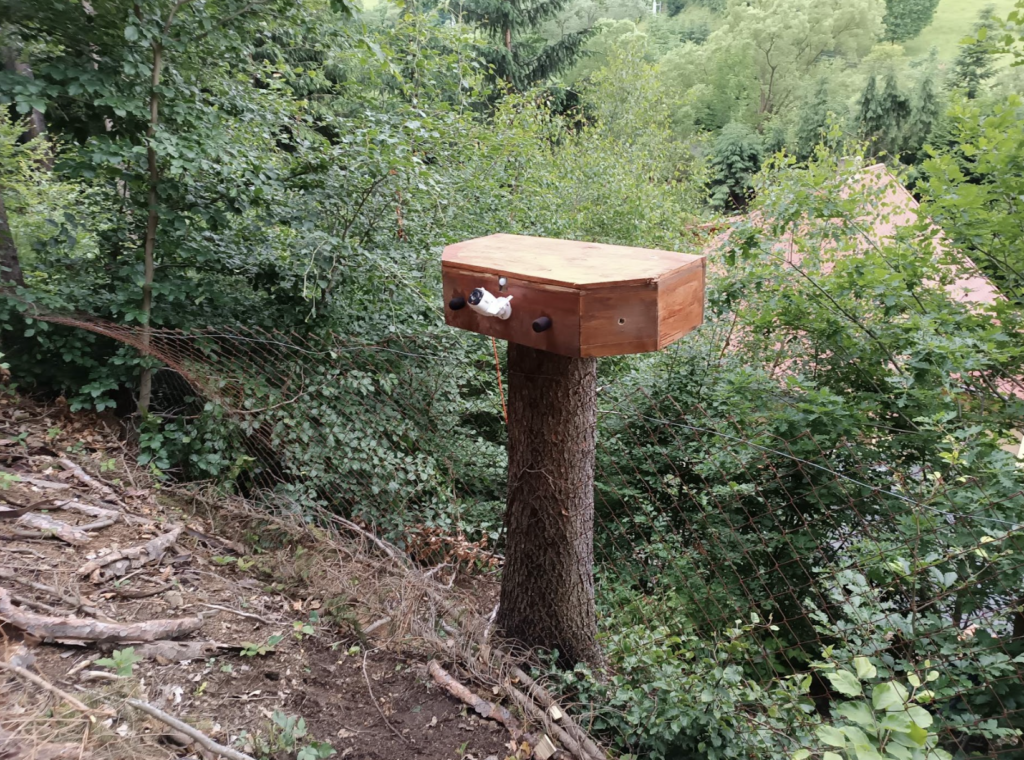
“Originally the project was created – and I generally referred to it as – ‘Badgercam’, but the current iteration is not at the badger location, so now it’s just Solar and Wind-powered sound recorder (with image capture),” Philip tells us. We think Badgercam rolls off the tongue a bit better though. “[This was] to address the problem and help with identifying the species or source of sounds; making sure it was the badger I recorded; and also to keep my footprint at the setts low by having a discreet recorder, and a way to see into the life of badgers without walking through their environment. They are very sensitive animals and I wanted to only visit once, or a limited amount of times!”
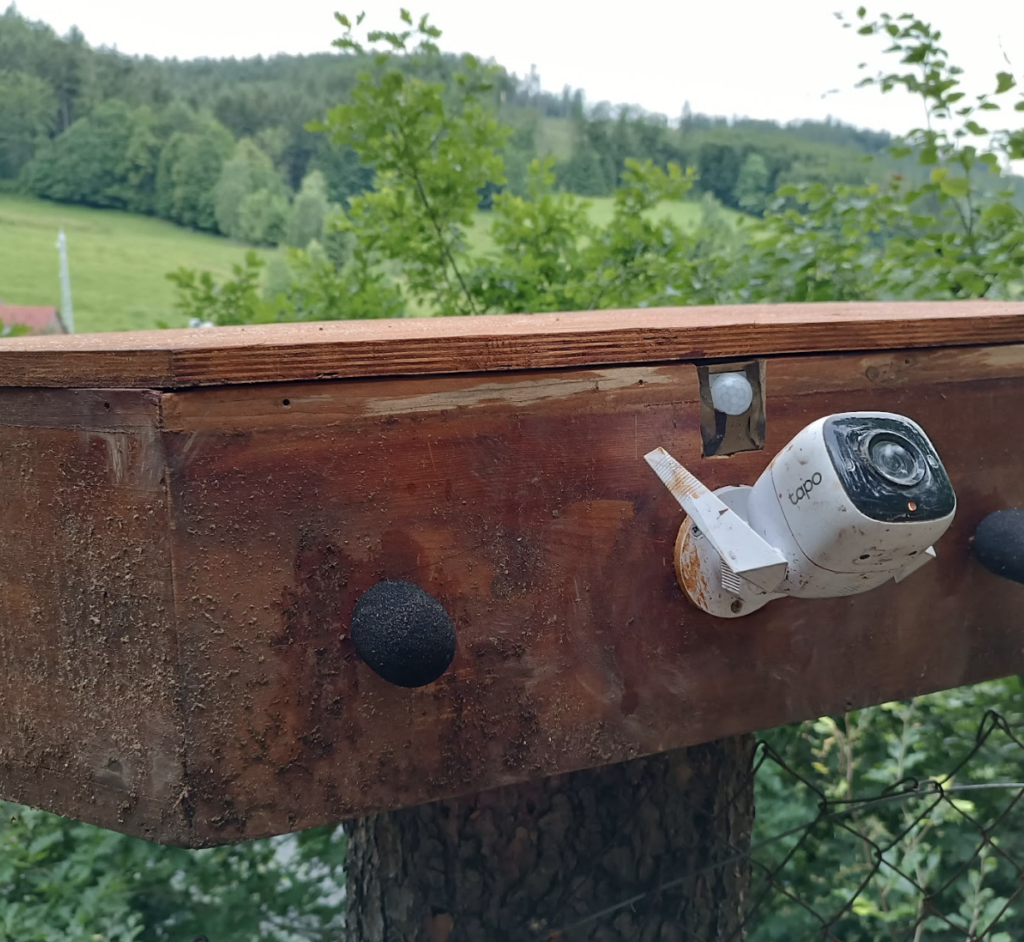
While he initially wanted to use a Raspberry Pi Zero, stock shortages last year resulted in him using a spare Raspberry Pi 3B+. “Raspberry Pi… had many appealing factors, including size, adaptability, and the option to connect it to a network for remote access via VNC,” Philip explains. “And the [ability to add] cameras, PIR sensors, and USB inputs or an audio HAT made Raspberry Pi a logical choice. I always wanted to make a project on one and I thought what better application than this: to watch and observe badgers from my living room!”
Better camera trap
Raspberry Pi makes things easier, especially when you have an idea in mind.
However, there can always be a few snags with the parts surrounding it. “The building process, in terms of the hardware, has been a long and frustrating (but fun!) learning process,” Philip admits. “I’ve tried many, many combinations of different hardware, Python libraries, cameras, and housing designs to get to the point I am at now. This project is constantly growing and, despite all of the challenges, I look forward to the next ones!” The process has involved a lot of different box sizes, batteries, and solar panels, partly designed around the original idea of using a Raspberry Pi Zero.
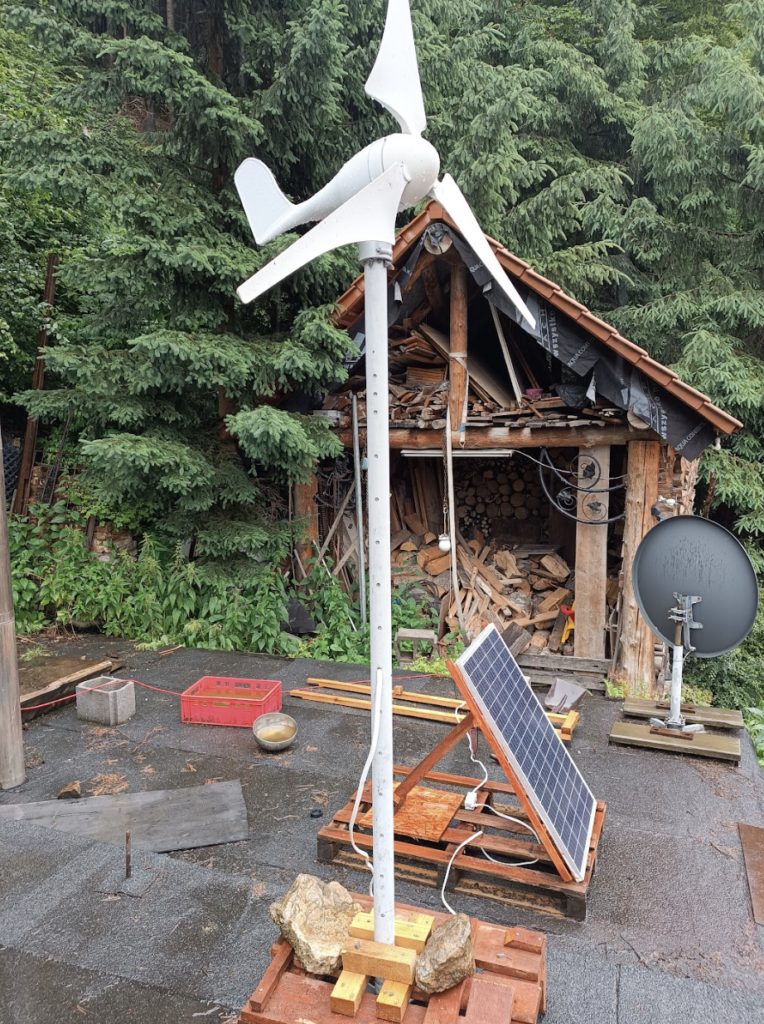
The current version uses an 180 W solar panel and a 400 W wind turbine charging a 12 V car battery to power the whole system, which has some serious sound equipment added, along with an IP camera and a wireless router. This is clearly a bit more than the few amps that a 5 V Raspberry Pi usually needs.
Witness the badger
So far, all the frustrations have been worth it.
“It works fairly well; it’s come along way and I am really happy with the results right now; but there is much room for improvement,” Philip tells us. “Also I am still learning things about efficiency. For example, the recent challenges have been designs for the housing that holds most of the recording equipment, Wi-Fi, Raspberry Pi, etc. At one point the box got to a temperature of 64°C, and although Raspberry Pi keeps working OK, either with a fan connected to the board or a heat sink, the other parts such as the Wi-Fi stop working at such temperatures and the unit switches off. Although this isn’t such an issue as it doesn’t affect the recording process.”
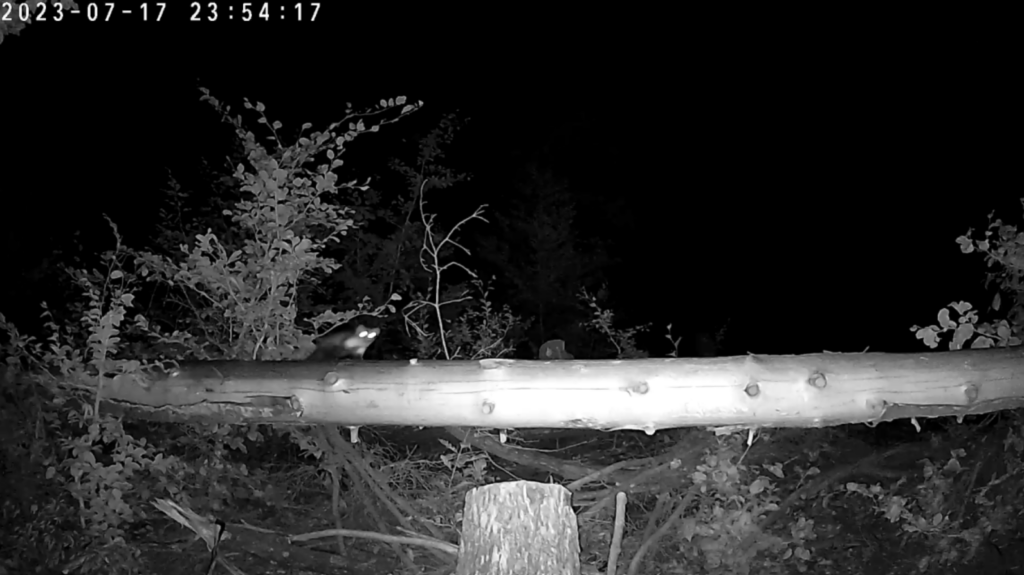
The next iteration is already being planned along with some fixes, such as RF interference from the audio recording equipment, and replacing the power-hungry IP camera.
“Recently, and I am very happy about this, I finally got my hands on a Raspberry Pi Zero [with a Raspberry Pi Camera Module NoIR attached],” Philip says. “This was the original idea for the project. Now, I am looking at options for audio and have a few HATs and some ideas for other ways to get better-quality audio. The code will most likely stay the same, but I am also considering the option of removing the PIR sensor and having the image capture by detecting motion changes based on a still image, which then will trigger the recording process. I’m excited for the next step and eventually deploying this at the badger sett; fingers crossed!”
The MagPi #133 out NOW!
You can grab the brand-new issue right now from Tesco, Sainsbury’s, Asda, WHSmith, and other newsagents, including the Raspberry Pi Store in Cambridge. It’s also available at our online store which ships around the world. You can also get it via our app on Android or iOS.

You can also subscribe to the print version of The MagPi. Not only do we deliver it globally, but people who sign up to the six- or twelve-month print subscription get a FREE Raspberry Pi Pico W!
The free PDF will be available in three weeks’ time. Visit the issue page for more details.


No comments
Comments are closed