A-BiRD uses Raspberry Pi to identify different species singing at the same time
Noah and Luca McGill bagged the “Coding with Commitment” Award at last month’s SARSEF (Southern Arizona Regional Science and Engineering Fair) with a Raspberry Pi-powered application of the BirdNET-Pi acoustic bird classification system.
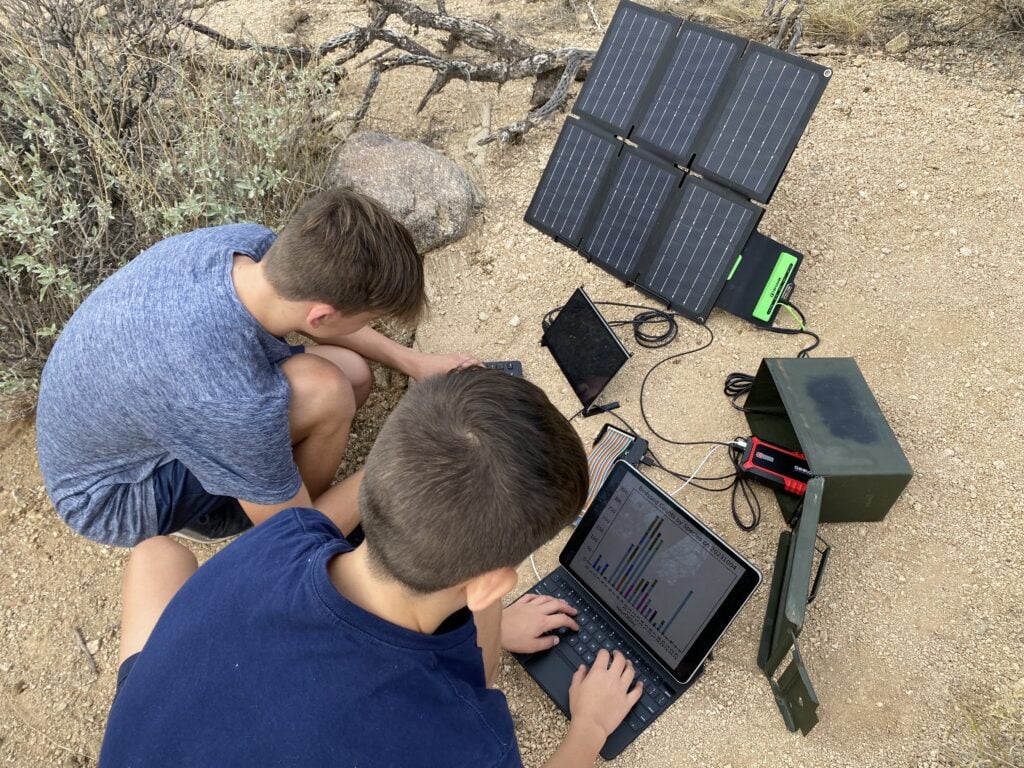
The pair wrote bespoke code to survey bird activity and species diversity in Southern Arizona during last year’s autumn migration season. They took advantage of a unique bird recognition device developed close to home.
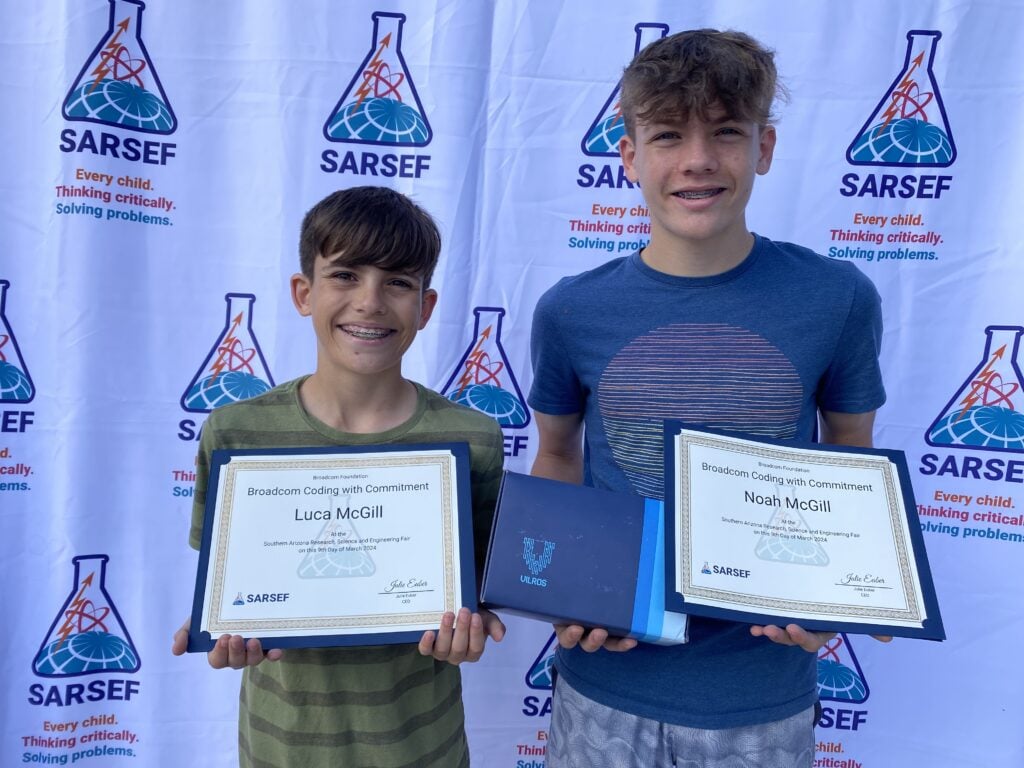
A-BiRD for Raspberry Pi
Noah and Luca’s older brother Finnegan McGill developed A-BiRD (Automated Bird Recognition Device) in 2022 in order to address challenges facing the global bird population due to climate change, pollution, and habitat destruction. A-BiRD’s audio data can provide insights into bird behaviour, species preferences, habitats, and migration patterns without human intervention. Having a load of people collecting data in person is itself disruptive to bird populations and alters animals’ behaviour, which makes the data less reliable.
How does it work?
A microphone array is hooked up to a Raspberry Pi which is programmed to listen to ambient sounds, record bird songs, and show audio curves. The Pi then sends that data to BirdNET Sound ID at the Cornell Lab of Ornithology for analysis. Using the audio data, BirdNET Sound ID determines what kind of bird is present in a specific location.
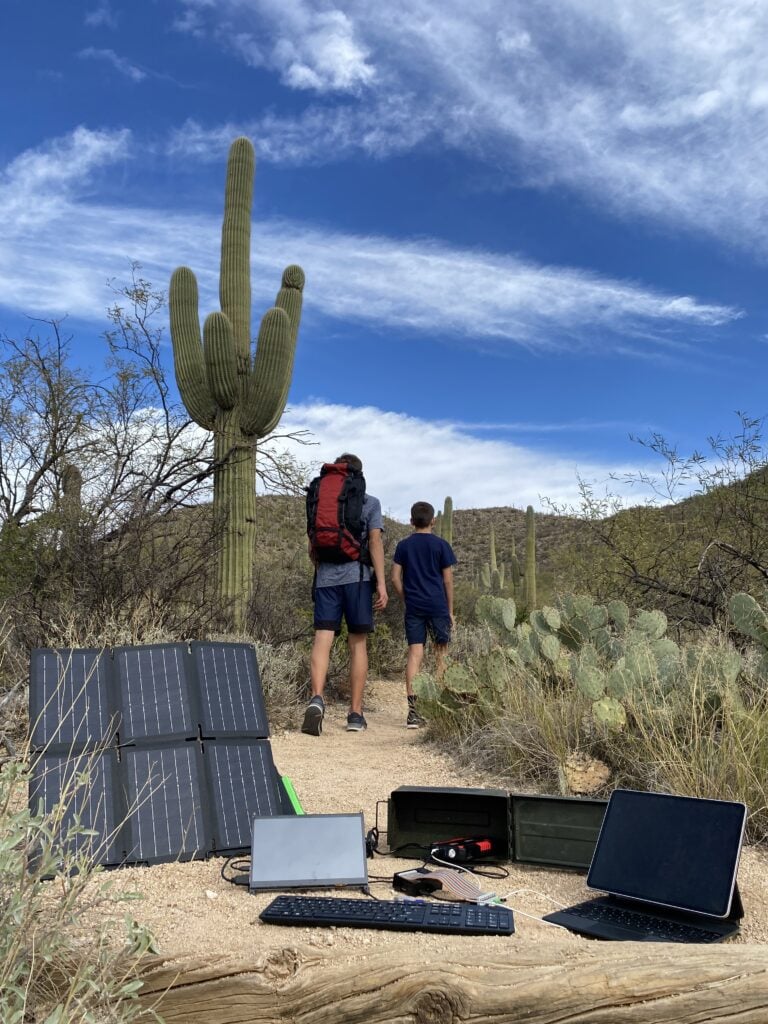
Data from the microphone array can also determine the angular direction of a bird. This allows it to keenly distinguish between two different birds, or two birds of the same species singing at the same time in different locations. From this, ornithologists can make valuable predictions regarding bird species, inferring nesting locations and preferred habitats, as well as migration patterns. The system can operate 24 hours a day, seven days a week, without relying on human intervention.
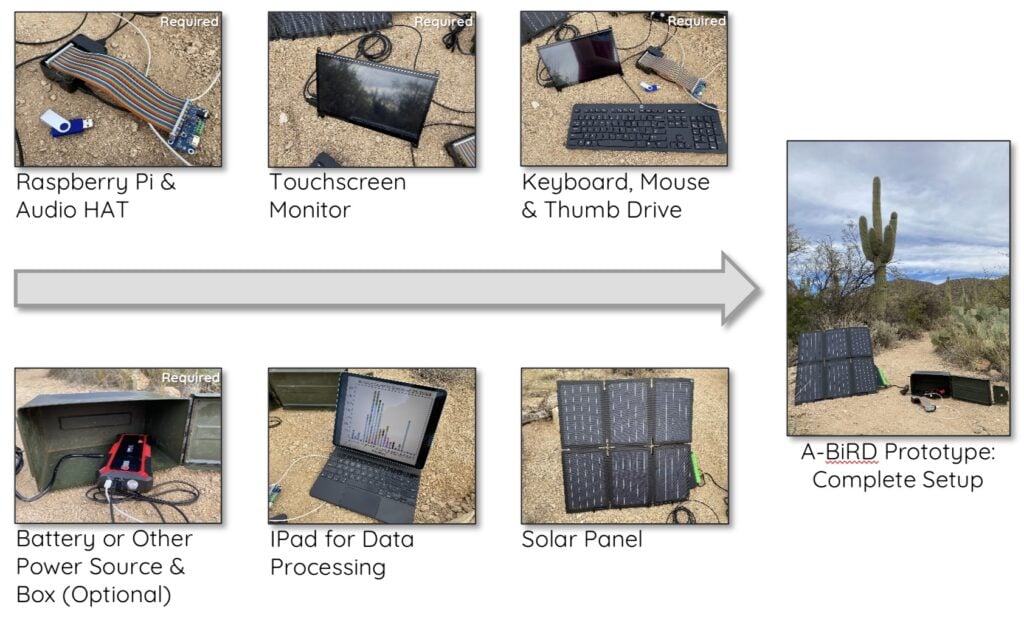
Hardware
- Raspberry Pi
- Waveshare WM8960 Audio HAT for Raspberry Pi
- Microphone mounting fixture and weatherproof housing (material for reducing wind noise is a good idea)
- Power supply
- HDMI monitor
- Keyboard
- Mouse
A-BiRD: a family affair
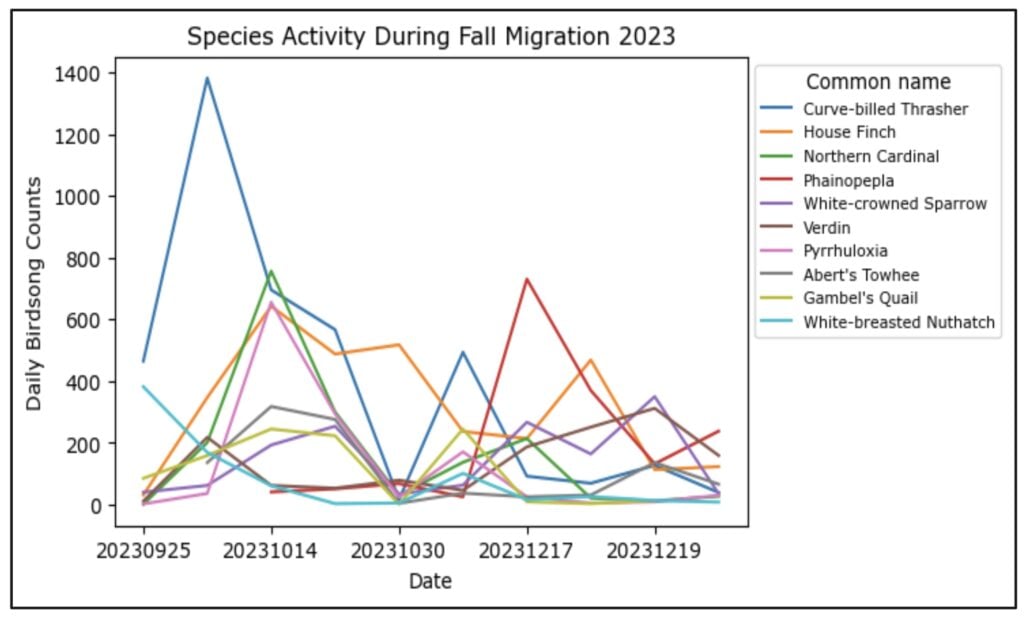
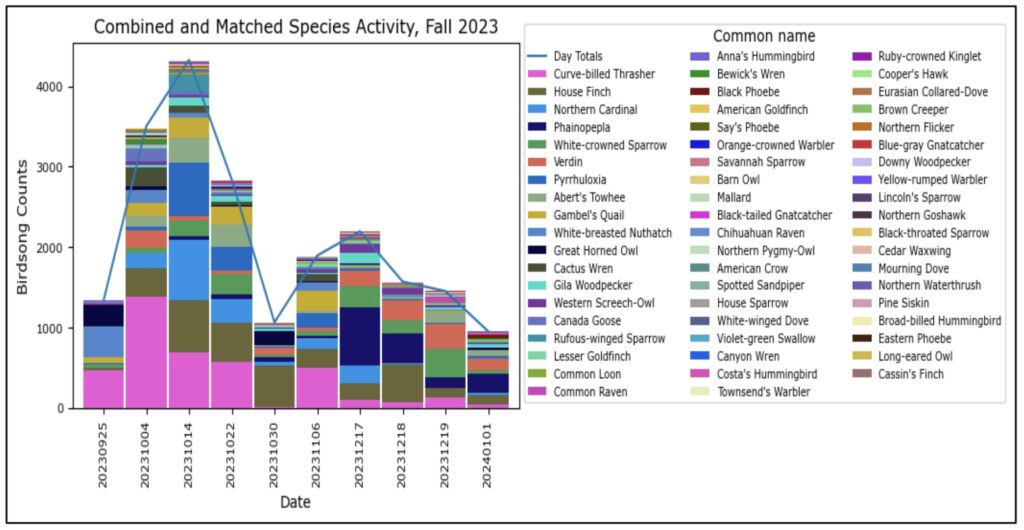
Finnegan mentored his two younger brothers, Noah and Luca, helping them with data collection, processing, and analysis across Tucson during last year’s autumn/winter migration season. They deployed two A-BiRD devices and gathered 330GB of audio data over 160,000 birdsong events. A total of 98 different bird species and 21,131 combined birdsong events were identified with stunning accuracy thanks to the data collected by Raspberry Pi. The McGills were able to highlight changing migration patterns and shifts in daily bird species dominance.
Say hello in the comments if you’ve got a BirdNET-Pi running near you!



1 comment
Douglas Fessler
It’s truly impressive to see these young men take the ordinary bird net and transform it into something remarkable. Their innovation highlights the potential of technology to enhance environmental efforts. This achievement also reflects the increasing tech-savviness of the Next Generation. As someone currently involved in a similar initiative in Central Pennsylvania, using Raspberry Pi technology alongside birdNet, and collaborating with the Middle Susquehanna Riverkeeper to monitor bird species around the Susquehanna River and its tributaries, I’m particularly inspired by this advancement. The aim is to establish a direct correlation between poor water quality and the decline in bird species. Projects like these not only contribute to our understanding of environmental challenges but also demonstrate the practical applications of STEAM learning in addressing real-world issues.
Comments are closed