Sustainable solutions with Raspberry Pi: reducing packaging
Raspberry Pi computers come packaged in compact cardboard boxes, designed to protect the device during shipping and handling. In very early models, the computer was shipped inside a plastic antistatic bag, which was placed in a box along with a leaflet.

When we released Raspberry Pi 4, we introduced a new box which featured an antistatic coating on the inside, a measure to safeguard the sensitive electronics that also removes the need for an additional plastic antistatic bag. An antistatic card and a paper leaflet were included in the package. We moved from a hand-assembled box to a fully automated system which assembles the box from a flat cardboard net and then inserts the product before sealing it up.
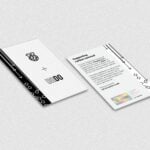
As part of our ongoing commitment to sustainability and reducing our carbon footprint, we re-evaluated the packaging for Raspberry Pi computers. Evolving regulations around product marking, with a shift towards e-labelling, presented an opportunity to streamline the contents of the box; this led us to remove the printed leaflet and antistatic card and adopt a design that prints slimmed-down regulatory information onto the inside of the packaging itself. The antistatic coating on the box provides sufficient protection for the device during shipping.

Full regulatory and compliance information about Raspberry Pi products is available through our Product Information Portal. This online resource enables customers to find the information they need and to subscribe to updates for particular products: subscribers get an email whenever we publish something new about a product, such as updated compliance information or PCNs.


These adjustments to our packaging might seem minor, but they have delivered a significant reduction in our environmental impact. We have eliminated an estimated 500 tonnes of CO₂ emissions, and also saved 55 tonnes of paper, every year. The results bear out Raspberry Pi’s belief that small changes, implemented thoughtfully and at scale, can lead to substantial positive outcomes.

11 comments
Helen McCall
I was indeed very impressed by the minimalist packaging on each component when I bought my RPi5 outfit last year. I wish more manufacturers would follow your lead. I especially wish that supermarkets would remove the appalling level of packaging on groceries and food. So please do keep shouting out about how well you are doing the packaging; in the hope that some of the marketing idiots out there will finally take notice and reduce their own packaging.
Anders
Unfortunately food packaging is a consequence of consumer demand. Various attempts have been made to reduce it, but people just keep buying the plastic packaging stuff.
If people would boycott plastic packaging in unison, change would happen pretty quick.
Graham Hughes
It’s good to save as much waste as possible. However, I think Pi’s biggest contribution (IMHO) is power efficient computing! :-)
Dale Steele
I much appreciate this example of what can and should be done. I see this as taking a leadership role in sustainable practices in the same way Raspberry Pi does with its computing products. Well done!
Derwellonsh
Ok for the slimmed-down regulatory information but antistatic bag is useful not only for electrostatic damage risk but also for humidity and oxidation damages its removal is a bad idea.
Helen McCall
Dear Derwellonsh,
The vast majority of the life of your Raspberry Pi will be in use as a computer. The heating and cooling cycles when being used, will be the greatest cause of degradation from humidity and oxidation. The Raspberry Pi has survived all these years without anyone reporting problems with humidity or oxidation. I think you are worrying needlessly.
Paul S
Nice work, unfortunately plastic is so useful it’s everywhere, it’s a very fast growing problem, I guess any and all efforts are welcome news.
Tahar
Do not ga to far with this because the packaging of the 17″ touchscreen was not able to get my screen through the mail. It was broken on arrival! So there was send a new one by the retailer. That’s also not good for the environment. Packaging should always protect the goods from damage during transport.
Ben
Yes, but that is up to the sender to protect, RaspberryPi just need enough to get it to the suppliers or shops intact.
So if it was buying 5 monitors, the sender packages them up in sufficient protective packaging for its next journey to me. The same as they would for one monitor.
They don’t stick a delivery label on the bare box and send it.
Lenard Gunda
Thank you! I have for many years thought the excessive amount of paper that is stuffed into literally every device box (not just Raspberry Pi) is so wasteful. They end up in the trash without being read probably 99% of the time anyway. Having them on-demand online is a much better solution. Also, KUDOS for using the inside of the box cleverly!
Wolf-R. Otto
Recently bought a Raspberry 5. Due to a missing antistatic bag the board could float on the paper during transport thus obviously harming the board by static electricity. No reaction after powering the board with an official 5A power supply.
The replacement board arrived in working condition. Please follow the general rules of equivalent protection of
electronic items.
Reducing packaging is nice as long the general rules are respected…
By the way- another Raspberry 5 board lost a resistor and a capacitor from the rear side of the pcb due to the direct contact with the rigid paper. Found the components and could resolder them.
Regards
W-R Otto
Comments are closed