Off-grid, offline digital libraries on Raspberry Pi 3
Arizona State University engineering students designed a new Raspberry Pi-compatible charging controller for SolarSPELL’s solar-powered offline libraries.

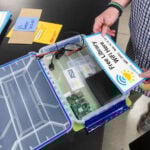
You might remember our blog late last year about the SolarSPELL (Solar Powered Educational Learning Library) initiative from Arizona State University. It exists to provide digital libraries, which are made available on a Raspberry Pi 3 via solar-powered offline technology. The rugged, portable devices bring learning opportunities to remote and unconnected places, and the team recently got in touch to tell us about a new development.
SolarSPELL has implemented 597 libraries to date and they’ve no intention of slowing down. Over the last few months, they’ve launched new digital library hardware both in Arizona and in Rwanda to support health and agriculture professionals. Thanks to their Raspberry Pi-powered technology, the initiative has been able to empower Hopi Tribe health educators with a localised library of cancer education resources. The ARU team made a follow-up visit to the Hopi Reservation just last week to check everything is working well.

They’ve also been able to support Rwandan agriculture trainers who are using SolarSPELL libraries to help them train small-scale farmers in sustainable agriculture techniques.
New charging controller
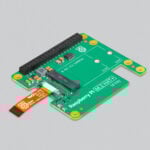
ASU engineering students have also designed a new 10W charge controller, which was engineered to interface power and data through a Raspberry Pi 3 Model A+. It was the perfect project to give the students some hands-on PCB design experience, all while supporting the SolarSPELL initiative. The goal was to improve energy efficiency and reliability for the off-grid offline digital libraries. They also wanted a compact form factor and, of course, compatibility with Raspberry Pi. The students took on everything from conceptualisation to prototyping, testing, vendor management, and final production run. ASU and SolarSPELL put together a handy blog of their own about the process.

You can keep up with the SolarSPELL initiative on LinkedIn, Facebook and Instagram.

No comments
Comments are closed