Meet Ken St. Cyr of What’s Ken Making | #MagPiMonday
This #MagPiMonday, the star of What’s Ken Making talks game emulation and his first experience of Raspberry Pi.
Retro game emulation has been improving by leaps and bounds over the last decade through various technologies, and one of those is Raspberry Pi. It brings huge power in a small form factor and is perfect for the hobby, and game preservation.
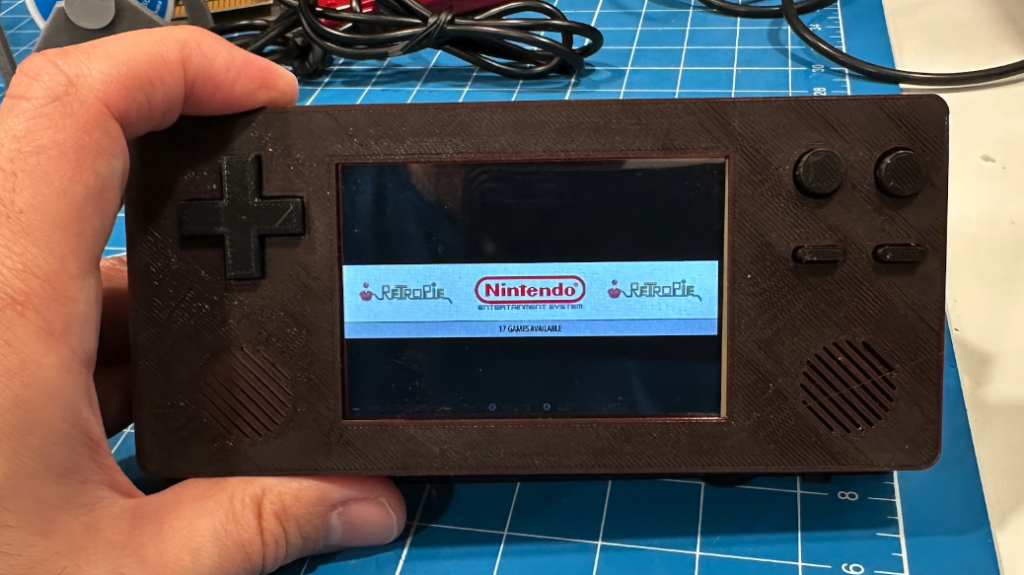
Software engineer Ken St. Cyr runs a YouTube channel, called What’s Ken Making, that’s dedicated to modern retro gaming, which includes Raspberry Pi-powered devices.
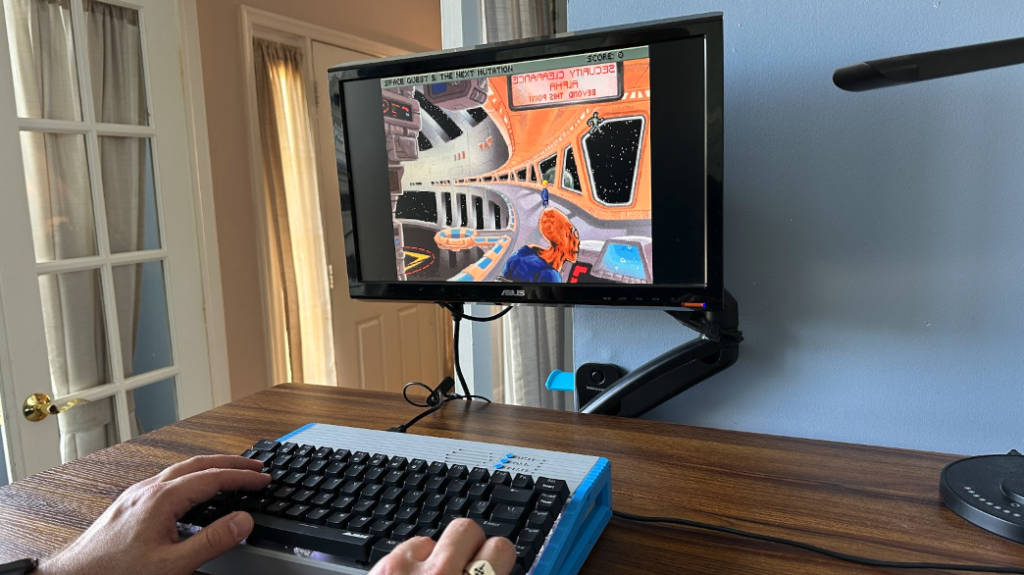
“My earliest gaming memory is split between playing Pitfall on my uncle’s Coleco Vision and typing up BASIC games from a book into a TI-99/4A,” Ken tells us. “I also would go to my friend’s house down the street to play his Atari VCS on a fuzzy black-and-white TV, which I’m pretty sure is the reason why I wear glasses today. After that, I received a NES for Christmas, and that’s what I primarily played until I got a Tandy 1000HX and discovered Sierra adventure games. Even today, I still enjoy playing the Police Quest, Kings Quest and Space Quest series on my MiSTer’s AO486 core!”
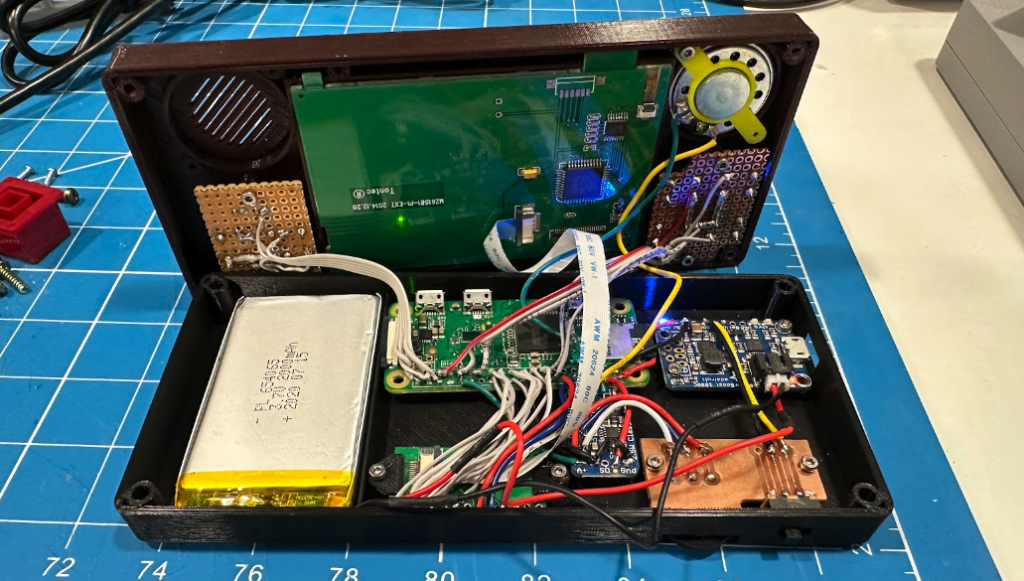
What is your history with making things?
I’ve been a maker for as long as I can remember. My interest in electronics started as a kid in the ’80s when I got a Radio Shack electronics lab kit. It had these little springs, which you could attach wires between to make different circuits.
I spent hours wiring up the example circuits and trying out different things to see what would happen – it was really quite magical!
When did you learn about Raspberry Pi?
I want to say it was probably about 10 years ago now… I was teaching a class at work, and one of the students had a Raspberry Pi that he brought with him. I remember examining it after class one day and marvelling at it. I was tinkering with Arduino at the time, so the idea of a single-board computer that ran an operating system and gave me access to GPIO really enthralled me. I bought one as soon as I could and have been playing with them ever since.
What’s your favourite video you’ve made?
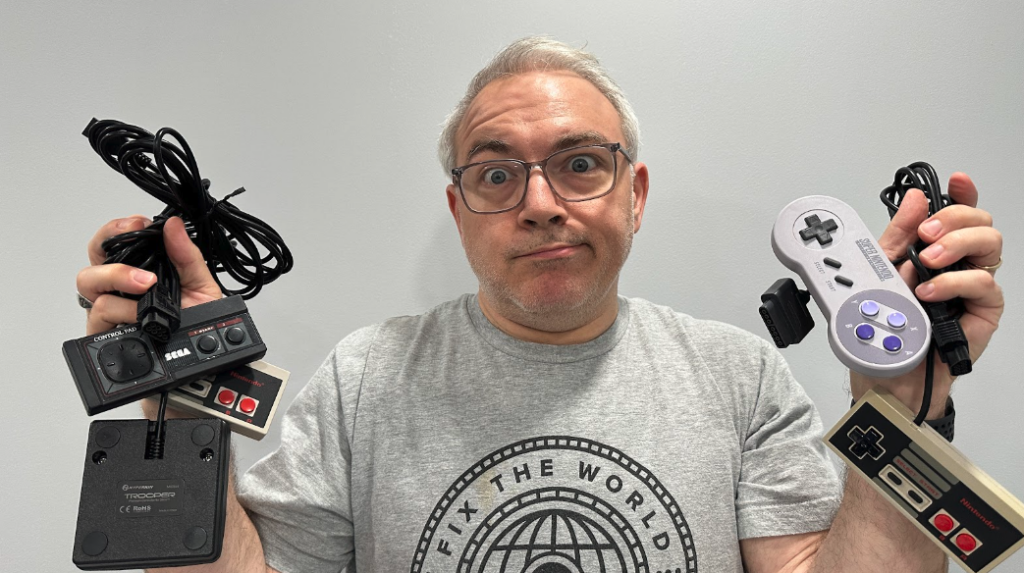
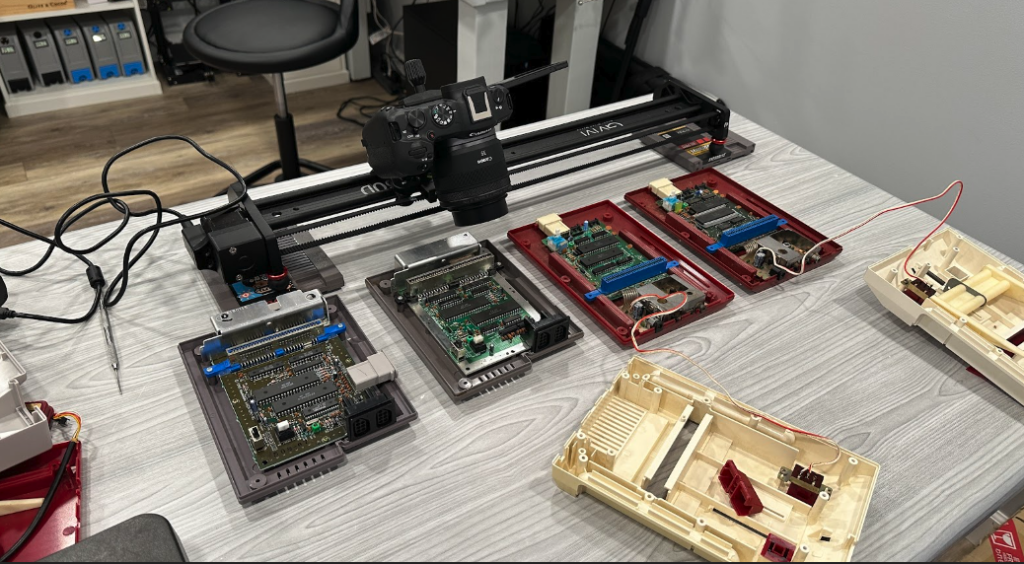
That’s like choosing a favourite child! If I had to pick one, I’d say it’s probably the video series I’m working on right now, called ‘Inside the Famicom’, which is a multi-episode deep dive on Nintendo’s Famicom and NES. I currently have nine episodes planned, which I’ll be releasing throughout the summer – and the first episode went live last week. I really enjoy the teaching aspect of my videos more than anything, so the idea of parking on one topic for a period of time to unpack it is really appealing to me.
What have been some of your favourite projects?
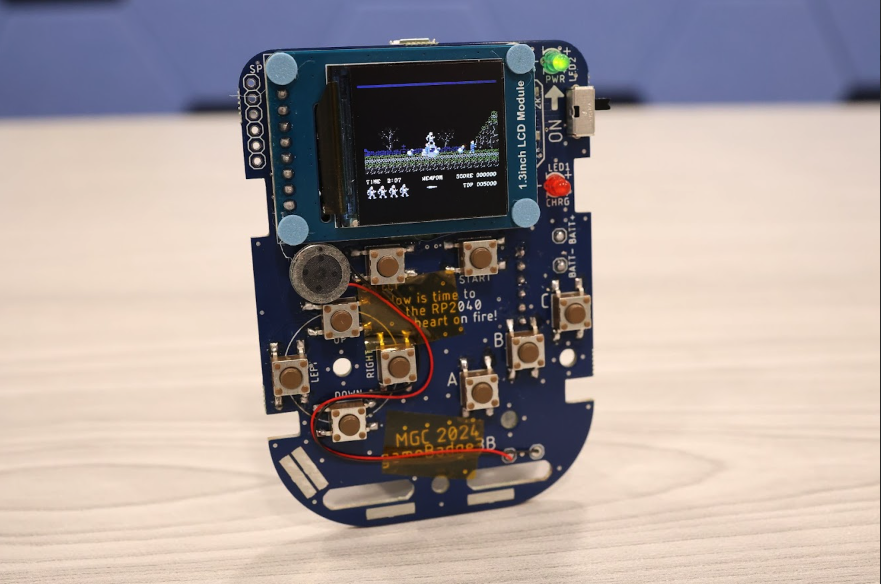
My favourite projects tend to be microcontroller-based recreations, like the handheld ZX Spectrum that I made a video about earlier this year. I’ve also really enjoyed working on the gameBadge, a Pico-based handheld game system, with maker extraordinaire Ben Heckendorn. We’re working on version four now, and there are some interesting changes in the works that I think people will absolutely love!
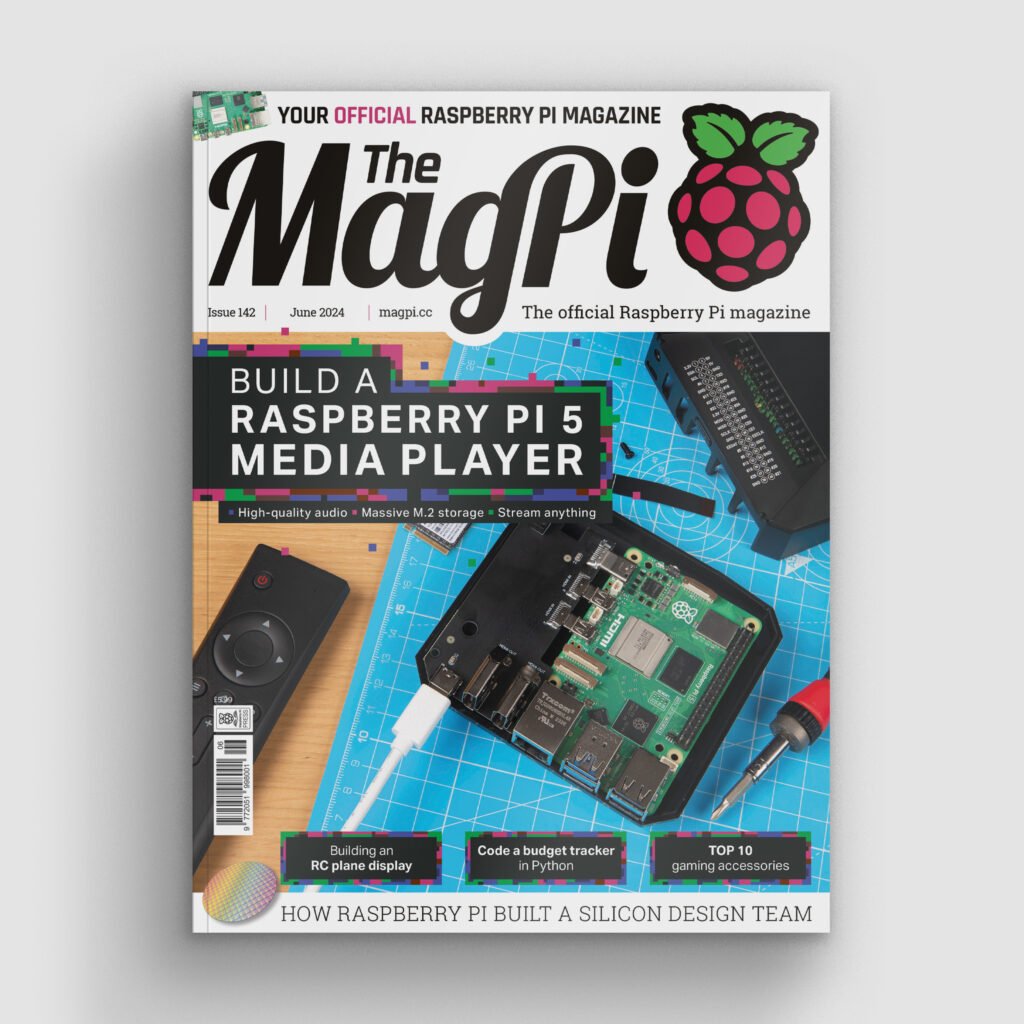
The MagPi #142 out NOW!
You can grab the brand-new issue right now from Tesco, Sainsbury’s, Asda, WHSmith, and other newsagents, including the Raspberry Pi Store in Cambridge. It’s also available at our online store which ships around the world. You can also get it via our app on Android or iOS.
You can also subscribe to the print version of The MagPi. Not only do we deliver it globally, but people who sign up to the six- or twelve-month print subscription get a FREE Raspberry Pi Pico W!






No comments
Comments are closed