Colour-changing LEDs remind you to clean out your cat’s litter tray
Do you have cats who use a litter tray and do you sometimes forget to empty that litter tray? If so, you might be interested in Manuel Bernhardt’s Raspberry Pi-powered project, which uses Rust to create a cat litter box reminder with LEDs.
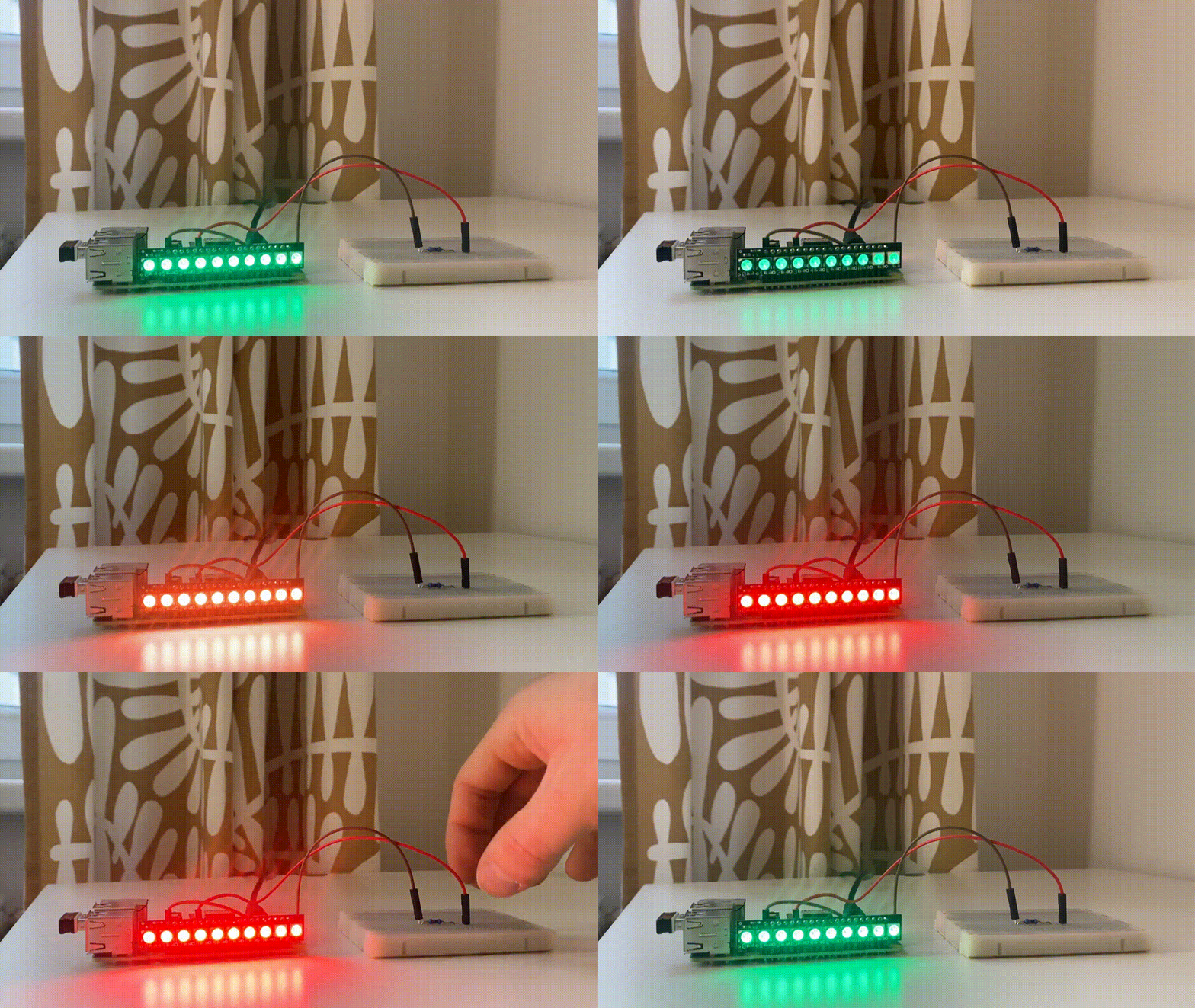
Traffic light system
The idea is pretty simple: an LED strip changes colour depending on how long it has been since the last time you cleaned the litter box. It starts with light green when everything is still nice and fresh, then dark green when things start to get a bit stale, then orange, and finally red — by which time you really should have noticed the smell. But we pet lovers are nose-blind to so many things.
When the Raspberry Pi gets really concerned at the state of your litter tray, it’ll make the LED start blinking in red to annoy you. The indignity of being house-shamed by a tiny green computer should hopefully spark a burst of cleaning, leaving your kitty with a squeaky-clean place to pee.
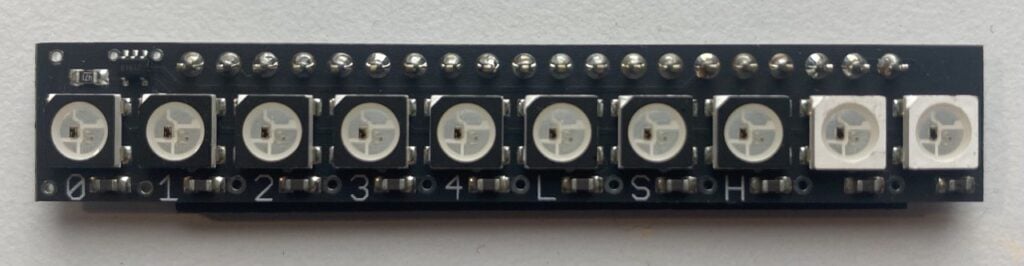
Hardware
- Raspberry Pi (any model should work, but Manuel used a Pi 3 Model B+ that he had to hand)
- WS281X LED strip (he used a custom one which connects directly to Raspberry Pi’s GPIO)
- A push button
- A 230Ω resistor
The code is divided into three parts: detecting the button press, changing the LED colours, and implementing the logic for the reminder. To reset the litter tray reminder, you just need to press a button.
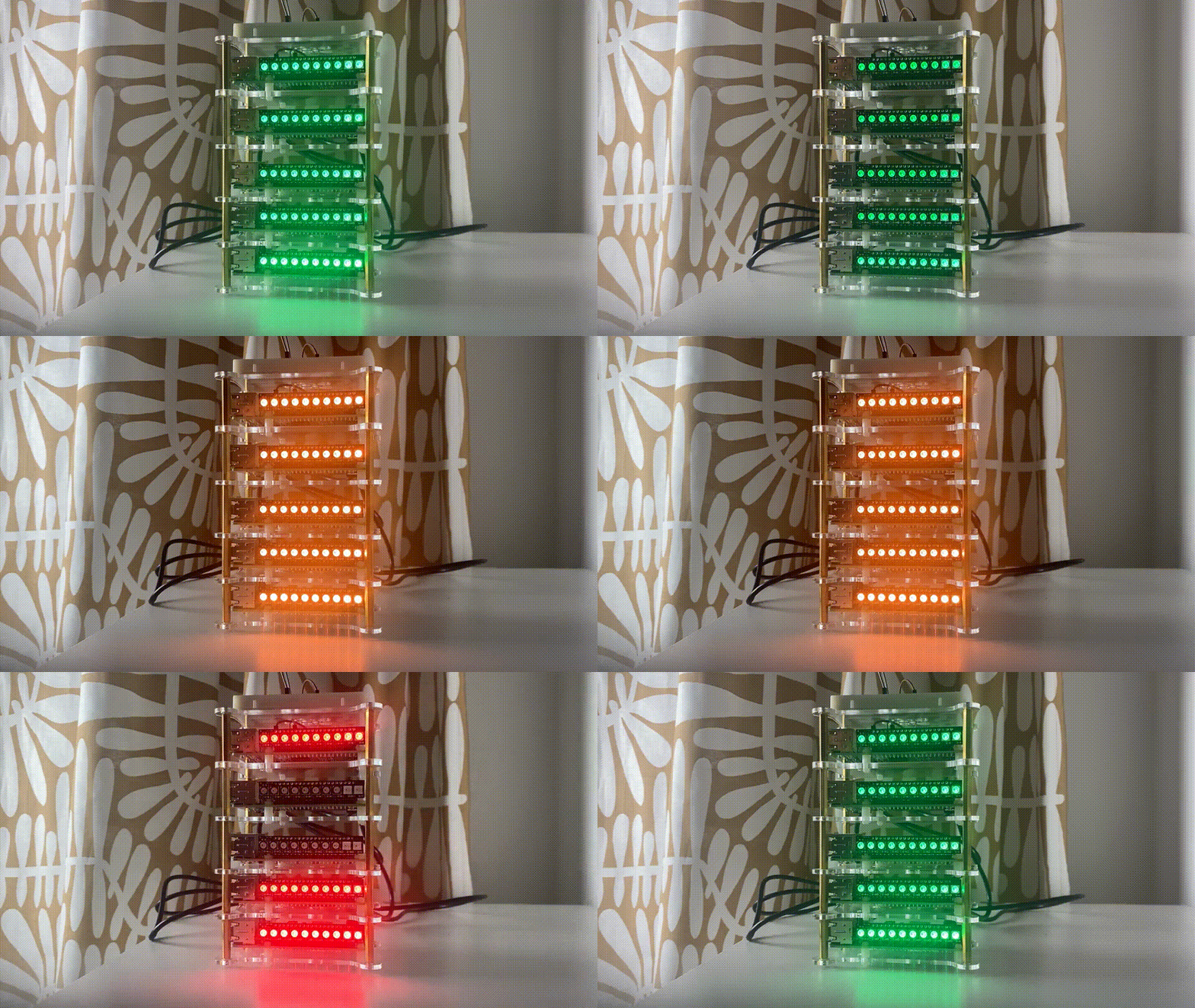
All that code is available on GitHub, and you can find a longer explanation of each part of the build on Manuel’s website. He also detailed a recent upgrade to the project in which he expanded the cat-litter-reminder Raspberry Pis to a whole network. This has allowed him to spread them all over the house so that forgetting about his daily doody duty is now almost impossible.



1 comment
Jim
Interesting. I built an enclosed litter box that was in the garage with a tunnel from the house, illuminated with a 4 watt night light. This was 16 years ago, but today, I would use a distance sensor to detect, and count, changes in the distance to the litter box, alerting after a number of “visits”. I’d have a web app to input how “full” the box is and map that to the count, and learn how many visits to have before alerting via email/text message.
Comments are closed